On paper, transformer transport sounds straightforward: load it, strap it, drive it. In practice, results vary wildly based on the unit's size and weight, whether it's oil-filled or drained, the route's physical limits, and — maybe most importantly — the carrier's actual heavy-haul experience.
This guide walks through the exact steps for moving a transformer safely, the variables that make or break the move, and the mistakes that trip up shippers who treat it like a routine haul.
Key Takeaways
- Transformers under roughly 10 tons often ship oil-filled; heavier units require draining and nitrogen fill
- Success depends on securing permits, matching trailer type to the load, and proper bracing
- Shock indicators and pressure monitoring create proof if damage is disputed later
- Most heavy transformer moves need a specialized heavy-haul carrier, not standard trucking
How to Transport a Transformer: Step-by-Step Process
Step 1: Assess the Load and Plan the Logistics
Start with the nameplate. It tells you the transformer's exact weight, dimensions, and center of gravity: the data that determines whether it can travel oil-filled or needs to be drained first.
From there:
- Survey the route for road grades, turning radius, bridge weight limits, and low clearances between origin and destination
- Apply for permits early. Oversize/overweight and route-specific permits must be secured at the state and local level before scheduling. Texas alone recommends 3-4 weeks for superheavy single-trip permits unless an approved route is already on file
- Determine escort needs. Pilot cars, police escorts, or utility crews to raise power lines may be legally required depending on load size
Skipping this step is the single most common reason transformer moves stall mid-route.
Step 2: Prepare and Secure the Unit
For large power transformers, the industry standard is to drain the insulating oil and fill the tank with dry nitrogen at a slight overpressure. The pressure gets recorded at dispatch, then checked again on arrival to catch any leaks.
Other prep essentials:
- Remove and crate separately bushings, radiators, conservators, and cooling fans, sealing all openings and adding desiccant to keep moisture out
- Fit a shock/impact recorder, commonly triggered around 3g, so any mishandling during transit gets documented rather than disputed after the fact
- Lift only from designated lugs using a spreader beam, keeping tilt within manufacturer limits (often around 15 degrees), then secure with certified lashing and chocks
- Document the teardown with labeled photos and an inventory log so components go back exactly where they came from at reassembly
Step 3: Select the Right Equipment and Carrier
Matching the trailer to the load prevents costly roadside incidents and delivery delays. Options include:
| Trailer Type | Best For |
|---|---|
| Hydraulic platform trailer | Height adjustment on tight clearances |
| Multi-axle lowboy | Distributing weight across more axles |
| Self-Propelled Modular Transporter (SPMT) | Extremely heavy loads or tight urban moves |
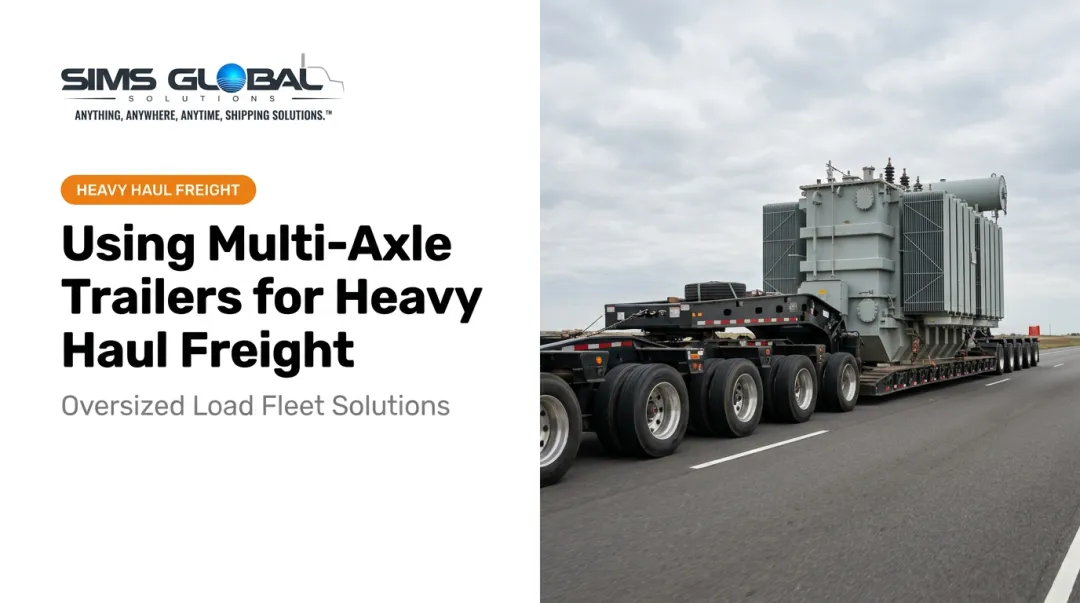
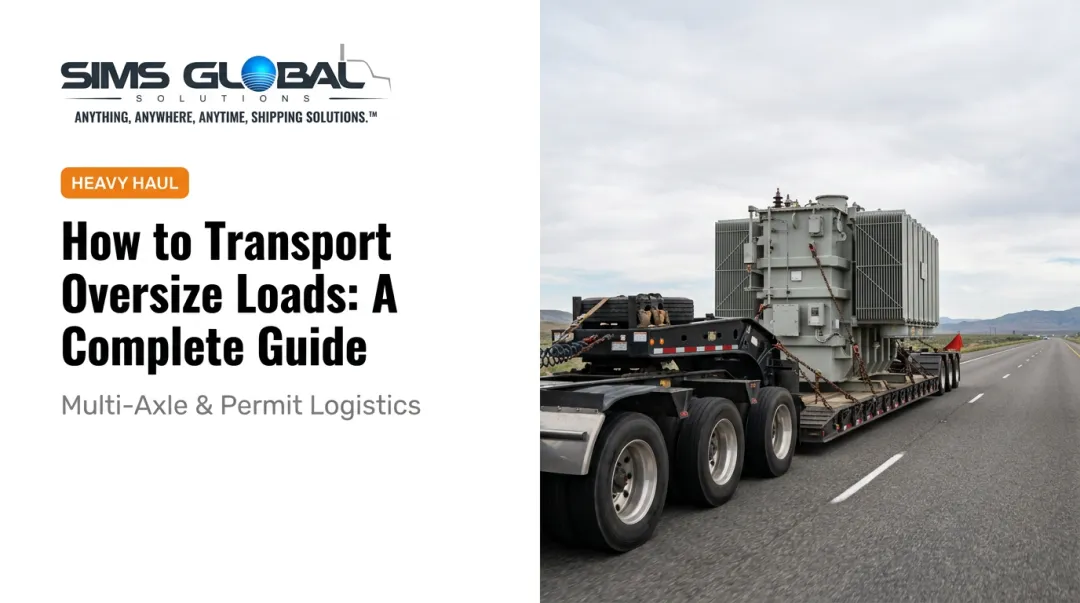
A 100-400 ton LPT is the typical weight range for large power transformers, according to the Department of Energy's transformer study. That weight simply won't work on standard RGN equipment rated for a fraction of the load.
Beyond equipment, verify the carrier holds heavy-haul certifications and experience, since not every trucking company qualifies for loads of this scale. Confirm cargo insurance is adequate too. Custom-built transformers are expensive and slow to replace, so a coverage gap creates real financial exposure.
Step 4: Execute Transport, Monitor, and Deliver
Heavy loads move slowly, and for good reason. In one documented case, Hawaiian Electric's 80-ton transformer move traveled at 10-15 mph on roadways and just 5 mph over bridges, avoiding freeways and low overpasses entirely.
During transit:
- Track continuously with GPS and sensor-based monitoring so vibration, temperature swings, or route deviation get flagged immediately
- **Coordinate crane or rigging support** at the destination ahead of arrival, checking weather before offloading begins
- Perform a documented inspection, checking shock indicators, pressure or oil levels, and visible damage before anyone signs the consignment note
That last step matters more than shippers realize. Without it, you have no baseline to prove the unit arrived in the condition it left in.

When Is Professional Heavy Haul Transport Necessary?
Not every transformer needs a heavy-haul specialist. Smaller distribution transformers often move on a standard flatbed or through regular LTL/FTL freight without any special handling.
Specialized heavy haul, the kind Sims Global Solutions runs with its own RGN and multi-axle trailers, becomes necessary for:
- Substation replacements
- New power plant installations
- Large industrial or data center buildouts
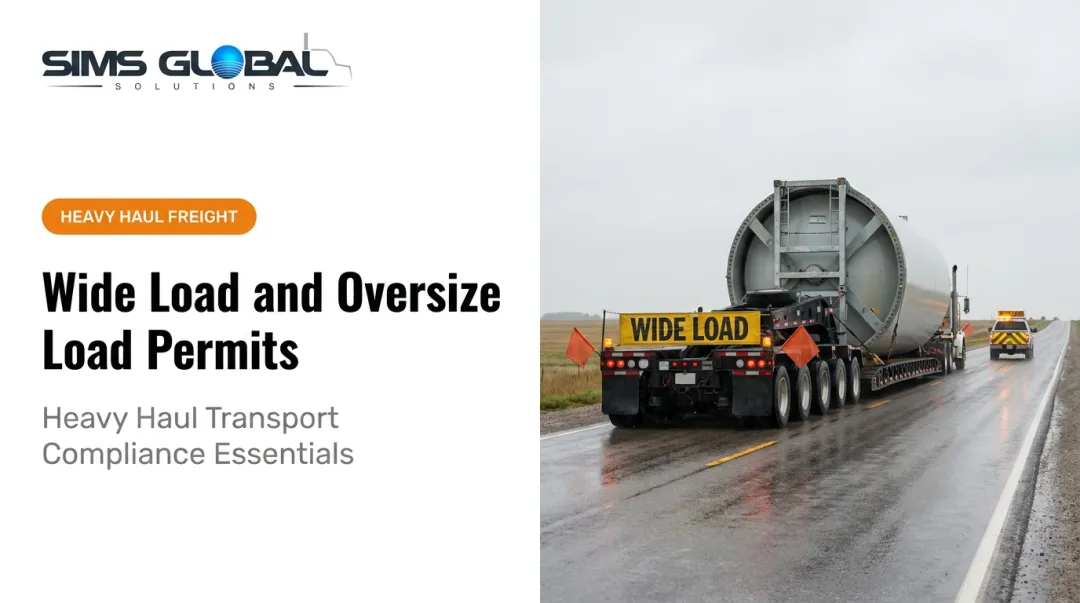
The tipping point is usually a permit threshold. Federal baselines cap interstate loads at 80,000 lbs gross weight and 102 inches wide on the National Network.
Once a transformer's loaded dimensions exceed a state's standard limits, DIY hauling or generic freight service becomes non-compliant. States also layer their own axle-weight, height, and escort rules on top of the federal ceiling, so a load can trigger permitting even without hitting that limit.
Key Factors That Affect Transformer Transport Success
Outcomes hinge less on distance and more on how well a handful of variables get managed.
Weight and Dimensions
These dictate the required trailer type, axle count, and permit category. A 500,000-lb transformer may need a 13-axle trailer and multi-state permits. Get it wrong, and you risk tip-overs or fines that stretch into the thousands of dollars.
Oil-Filled vs. Dry-Gas Transport Method
Oil-filled units carry environmental spill risk, especially without proper containment. Dry-nitrogen units demand careful pressure monitoring throughout the haul. Choosing the wrong method can compromise insulation integrity or create EPA and DOT compliance headaches down the line.
Route and Regulatory Compliance
Bridge load capacity, clearances, and turning radius determine which roads are even viable in the first place; a single low overpass can force a lengthy detour. Poor route planning is the leading cause of mid-transport rerouting, unplanned delays, and permit violations.
Carrier Experience and Equipment Quality
Heavy-haul transformer moves require specialized rigging, lashing, and permit knowledge most standard carriers simply don't have. Sims Global Solutions closes that gap with its own RGN and multi-axle fleet run by experienced crews. An inexperienced carrier raises the risk of damage, delay, and compliance penalties well beyond what shippers typically expect.

Common Mistakes to Avoid When Transporting a Transformer
Most transformer transport failures trace back to a handful of avoidable errors:
- Skipping pre-transport documentation: no baseline photos or inspection reports means no proof if damage is disputed later
- Choosing mismatched equipment, such as a trailer or lifting method that doesn't account for the unit's true weight and center of gravity
- Departing without full permits or escorts secured causes delays or fines mid-route, sometimes forcing the load to stop entirely
- Ignoring shock indicator or pressure readings — early warning signs of internal damage get missed when nobody checks the data until arrival
Why Work With a Specialized Heavy Haul Partner Like Sims Global Solutions
Given the stakes, most businesses don't try to manage permits, equipment, and compliance in-house. It's simply not worth the exposure on a load worth hundreds of thousands of dollars.
Sims Global Solutions' Heavy Haul Trucking division combines its own fleet of assets with the SimsTrak Transportation Management System to manage routing, permitting, and real-time tracking on oversized loads like transformers. As Billy, Corporate Sales Manager – Heavy Haul Trucking, puts it:
"The company trucking assets have opened up countless opportunities that a traditional freight brokerage would have a difficult time tapping into."
That combination of owned equipment and technology gives transformer shippers a few specific advantages:
- A+ rated supplemental cargo insurance built for high-value freight
- 24/7 agent support for handling delays, rerouting, or escort coordination as they come up
- A nationwide network of 150,000+ carriers to match the right trailer configuration to the specific job

Ultimately, successful transformer transport comes down to matching preparation and equipment to the load. Most failures trace back to poor planning long before the truck ever leaves the yard.
Frequently Asked Questions
How long does it take to move a transformer?
Timing depends on distance, size, and route restrictions. A short local move of a heavy unit can take several hours due to reduced speeds and bridge crossings, while cross-country hauls can take days once permits and escorts are factored in.
What size transformer requires special permits?
Any load exceeding a state's standard legal weight or dimension limits requires oversize/overweight permits. Thresholds vary by state, so carriers typically verify limits during route planning rather than relying on a single national rule.
Should transformer oil be drained before shipping?
Large power transformers are commonly drained and filled with dry nitrogen for transport. Smaller distribution transformers usually ship safely while still oil-filled.
How much does it cost to transport a transformer?
Cost varies widely based on weight, distance, permit fees, and escort requirements. Request a customized quote from a heavy haul carrier for an accurate estimate.
What equipment is used to haul a transformer?
Hydraulic platform trailers, multi-axle lowboys, and SPMTs handle the largest units, with cranes and rigging gear supporting safe loading and unloading at both ends.
Can a freight broker handle transformer transport logistics?
Yes. Specialized heavy-haul brokers like Sims Global Solutions manage permitting, route surveys, escort coordination, and carrier matching on a shipper's behalf. Pairing an owned heavy-haul fleet with a network of 150,000+ carriers removes much of the operational burden from a complex move.