This guide is written for shippers, freight brokers, and supply chain managers who work with intermodal shipments. Understanding drayage matters because it directly affects cost control, on-time delivery, and your ability to avoid port-related delays that can stall an entire shipment.
"Drayage" gets thrown around constantly in freight conversations, but it's rarely explained at an operational level. This article breaks down what it is, how the process works, and when you'll actually need it.
Key Takeaways
- Drayage is the short-haul truck link between ports, rail terminals, and warehouses or distribution centers.
- It's a required step in nearly every containerized import or export shipment, not an optional add-on.
- Costs depend on container weight, distance, chassis availability, and port congestion, not mileage alone.
- Scope and distance separate drayage from cartage and long-haul over-the-road (OTR) trucking.
- The right drayage partner is the difference between fast port clearance and costly bottlenecks.
What Is Drayage in Intermodal Services?
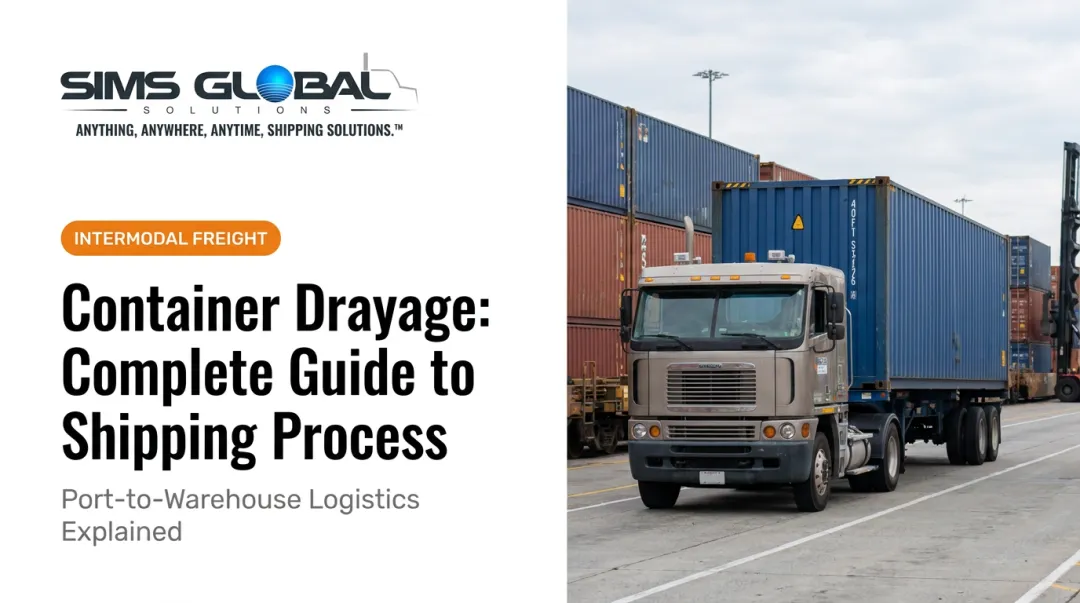
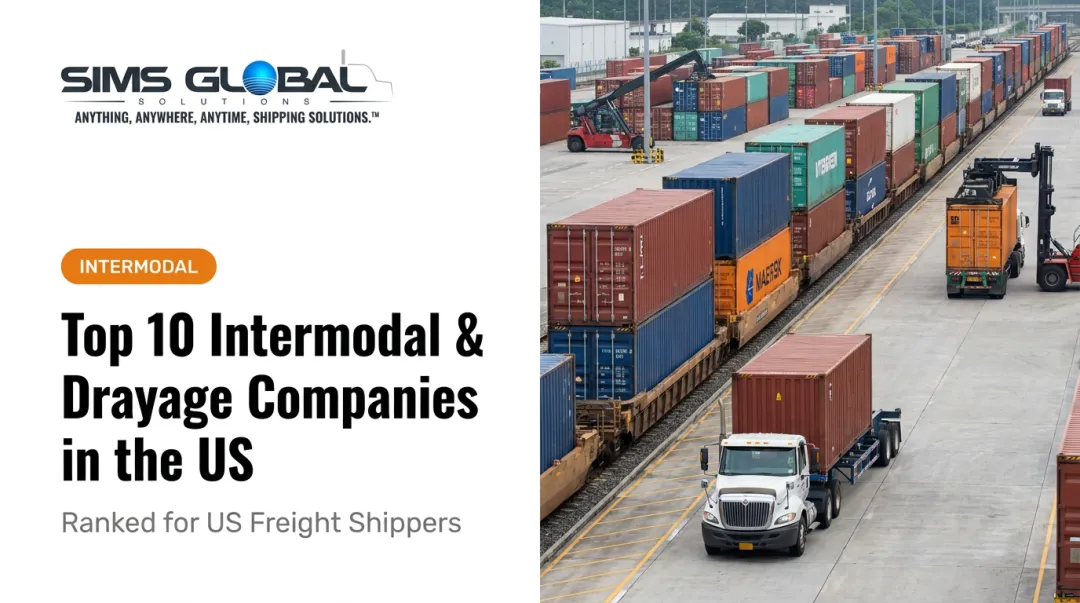
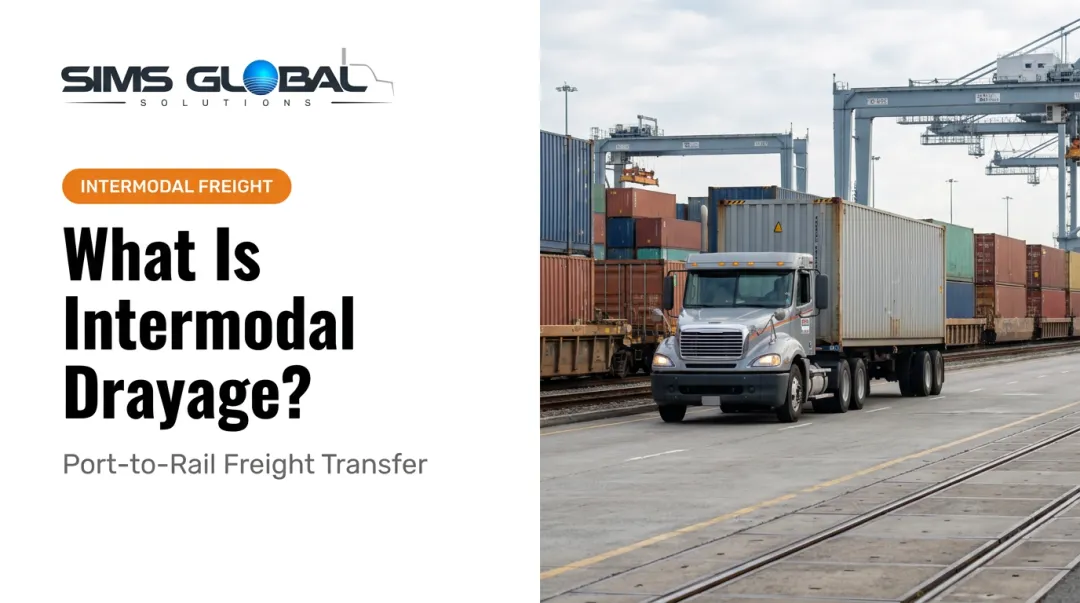
Drayage is the short-distance trucking of containers between a port, rail ramp, or intermodal terminal and a nearby facility. Most drayage moves happen within the same metro area and get completed in a single day.
The goal is simple: keep containers moving between transport modes (ship, rail, truck) without long dwell times. Extended dwell time causes terminal congestion and triggers storage charges that add up fast.
The term itself traces back to the "dray," a horse-drawn cart historically used for short hauls around ports and railyards. The limited range of those carts is exactly why "drayage" still refers to short local moves today, even though trucks replaced horses generations ago.
Drayage vs. Related Terms
People use "drayage," "cartage," and "trucking" interchangeably, but they're not the same thing:
- Drayage vs. cartage: The Intermodal Association of North America (IANA) lists cartage as another name for drayage. In practice, though, "cartage" often means breaking a load into smaller local deliveries, while "drayage" moves the whole container intact.
- Drayage vs. OTR trucking: Drayage covers short local hauls, often under 50 miles, while OTR trucking handles long-distance freight that can keep drivers on the road for days or weeks.
- Drayage vs. intermodal shipping: Intermodal refers to the entire multi-mode journey across ship, rail, and truck. Drayage is just one leg of that journey, not a synonym for the whole process.
Types of Drayage Services
The drayage industry recognizes six main service types, each defined by how the container moves and why:
- Pier/port drayage: Moving a container from a rail hub to a port dock or pier.
- Inter-carrier drayage: Cross-town movement from one railroad's terminal to another so the shipment can continue its journey.
- Intra-carrier drayage: Movement between two terminals owned by the same rail carrier.
- Expedited drayage: Priority movement for time-sensitive freight that has to hit a tight delivery window.
- Shuttle drayage: Relocating loaded or empty containers from a congested terminal to another storage yard.
- Door-to-door drayage: Delivering a container directly to a retail or customer location.

Knowing which type you need helps when requesting quotes. A generic "drayage" request gives a provider less to work with than specifying, for example, expedited or shuttle service.
Why Drayage Is Critical to Intermodal Supply Chains
Intermodal shipping simply doesn't function without drayage. Every container that arrives by ship or rail has to be trucked to its next destination, whether that's a warehouse, a rail ramp, or another port. In 2022, 110 U.S. ports handled 45.7 million TEUs, according to the Bureau of Transportation Statistics. A large share of that volume needed at least one truck leg to move inland.
What Goes Wrong Without Efficient Drayage
When drayage breaks down, the effects ripple through the entire supply chain:
- Port congestion builds as containers sit longer than planned.
- Demurrage and detention charges accrue when containers exceed free time. Nine carriers collected $15.4 billion in these fees from 2020 to 2025, per the Federal Maritime Commission.
- Missed delivery windows cascade into warehouse scheduling conflicts and retail compliance penalties.
Where Drayage Adds Value
Beyond just moving boxes, drayage handles specific supply chain needs:
- Consolidating freight from multiple containers into fewer inland shipments
- Moving temperature-sensitive cargo quickly to avoid spoilage
- Repositioning empty containers back into circulation for the next export load
Credentials Required to Operate
Delivering that value depends on drivers and trucks clearing strict access requirements first. Drayage isn't a free-for-all. Drivers need a Transportation Worker Identification Credential (TWIC) to gain unescorted access to secure maritime facilities, issued through a TSA security-threat assessment.
At major ports like Los Angeles and Long Beach, trucks also need to be listed on that port's Drayage Truck Registry before they're allowed on terminal grounds. These are separate requirements: one applies to the person, the other to the vehicle.
Coordinating all of this (appointments, credentials, chassis availability, and handoff timing) is why many shippers lean on 3PLs with dedicated drayage and intermodal capabilities. Sims Global Solutions, for example, offers drayage alongside intermodal, truckload, and warehousing services through its SimsTrak technology platform, giving shippers a single point of coordination instead of juggling separate vendors for each leg of the move.

How the Drayage Process Works
At a high level, drayage follows a straightforward flow: pickup at a port or rail ramp, a short-haul transport leg, and delivery or handoff to the next stage of the supply chain.
The process requires four things to work together:
- The container itself
- A compatible chassis
- A qualified driver
- The correct documentation
Miss any one of these and the move stalls.
Step 1: Cargo Pickup & Documentation
The drayage carrier dispatches a driver to retrieve the container from the port or rail yard. Before departure, the driver or dispatcher verifies customs paperwork and freight documentation to confirm the container is cleared to move.
Step 2: Transport & Coordination
The truck hauls the container to its destination while the carrier coordinates timing with other logistics partners. This step is where port appointment systems and real-time tracking matter most. Platforms like Sims Global Solutions' SimsTrak give dispatchers live visibility into container location and appointment windows, since congestion at either end can throw off tight schedules.
Step 3: Delivery & Handoff
The container gets unloaded at a warehouse or distribution center, or transferred to another transport mode for the next leg of its journey. Final documentation confirms the handoff is complete, and the container is now positioned for storage, further movement, or delivery.
Where Drayage Fits & When It's Not the Right Choice
Drayage isn't a one-time service. It's triggered repeatedly at each intermodal transfer point.
Where Drayage Applies
Common trigger points include:
- Vessel arrival at a port, requiring the container to move inland
- Container drop at a rail ramp, needing transfer to a truck for final delivery
- Empty container repositioning, so it can be reused for the next export load
Key Factors That Influence Drayage Costs
These triggers all carry cost implications beyond distance. The main drivers include:
- Container weight and type: heavier containers cost more to move
- Distance from the port: longer hauls increase linehaul charges
- Chassis availability: a shortage can trigger a chassis split fee, charged when the driver has to travel to a separate location to pick up a chassis
- Port congestion: delays often lead to a pre-pull fee, where the container is pulled from the terminal early and staged elsewhere to avoid demurrage

Common Misconceptions
These cost drivers also clear up a few misconceptions. Drayage is not automatically the cheapest shipping option just because the distance is short. It's also not the same as full truckload freight: drayage rates factor in port access, chassis logistics, and congestion in ways standard trucking rates don't.
When Drayage May Not Be the Best Option
That nuance affects whether drayage is the right choice at all. Drayage makes sense when a container needs to move a short distance from a port or rail ramp. It's the wrong fit when:
- The final destination is far from any port or rail ramp, making long-haul OTR trucking more practical
- Shipment volume is too small to justify moving a full container, where LTL cartage is more cost-effective
- Time-sensitive freight can't absorb an extra transfer step, making direct FTL service the faster option
Conclusion
Drayage is the essential short-haul trucking link connecting ports, rail yards, and warehouses within any intermodal shipment. Skip it, and the rest of the intermodal chain has nowhere to go.
Understanding how drayage works, what drives its cost, and when it's not the right fit helps you avoid unnecessary delays and unexpected charges. Partnering with a provider like Sims Global Solutions simplifies this process. The company combines drayage, intermodal, and warehousing under its SimsTrak platform, backed by a nationwide carrier network. This lets shippers move containers efficiently without juggling several disconnected vendors for each leg of the journey.
Frequently Asked Questions
What is the definition of drayage?
Drayage is the short-distance truck movement of shipping containers between ports, rail terminals, and nearby warehouses or distribution centers. Most moves are completed within a single day.
What is a drayage fee?
A drayage fee is the charge for this short-haul container movement, typically based on container weight and distance. It often includes linehaul, chassis, and handling charges bundled into one quote.
What is the difference between drayage and intermodal shipping?
Intermodal shipping refers to the full multi-mode journey a container takes across ship, rail, and truck. Drayage is just the short trucking leg that connects those modes together.
How is drayage cost calculated?
Drayage rates are generally based on container weight, often measured in 100-pound increments, multiplied by a per-unit rate. Additional fees like fuel surcharges or chassis usage get added on top.
Is drayage required for every intermodal shipment?
Virtually all containerized imports and exports require at least one drayage move. It's what transitions the container between the port or rail ramp and inland transport.
What equipment is used for drayage services?
Drayage relies on a truck tractor paired with a chassis sized for standard, high-cube, or refrigerated containers. Reefer containers may also need a portable generator, or genset, to maintain temperature during transport.