
This is where a lot of shippers new to multimodal freight get stuck. Searches for "what is drayage vs intermodal" are common because the two terms get used almost interchangeably, even though they describe very different things. One is a single short haul. The other is an entire cross-country or cross-ocean journey.
This article breaks down both terms, shows how they connect, and covers the practical differences that matter when planning a shipment. We'll also look at how the right logistics partner keeps this often-overlooked leg from becoming your biggest headache.
Key Takeaways
- Drayage is the short local haul; intermodal is the multi-mode journey it supports.
- Most drayage moves stay within a tight radius of the port or rail ramp.
- Rail-based intermodal often beats trucking on cost and emissions over long hauls.
- Unlike LTL, drayage moves one sealed container, not consolidated freight from multiple shippers.
- A coordinated partner keeps containers moving instead of sitting idle at terminals.
Understanding the Basics: Drayage and Intermodal Transportation
Before comparing the two terms, it helps to define each one on its own.
Drayage
Drayage is the short-distance movement of containerized freight, usually within a single metro area. It connects a port, rail ramp, or terminal to a warehouse, distribution center, or other final destination.
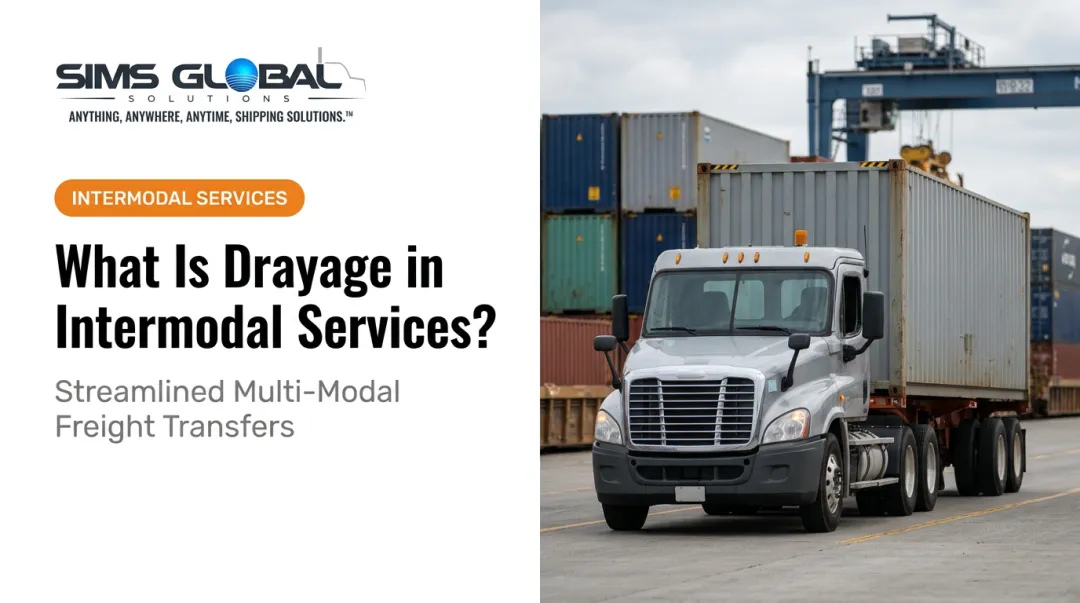
Picture a container coming off a ship at the Port of Savannah. A drayage carrier hooks a chassis under that container and hauls it a few miles to a nearby distribution center for unloading. That's the entire job: pick up, deliver, done. No rail leg, no ocean leg, just a truck covering local ground.
These moves happen constantly. Port trucking data shows that most drayage trips stay under 50 miles one-way, though the exact distance varies by port and local geography.
Intermodal Transportation
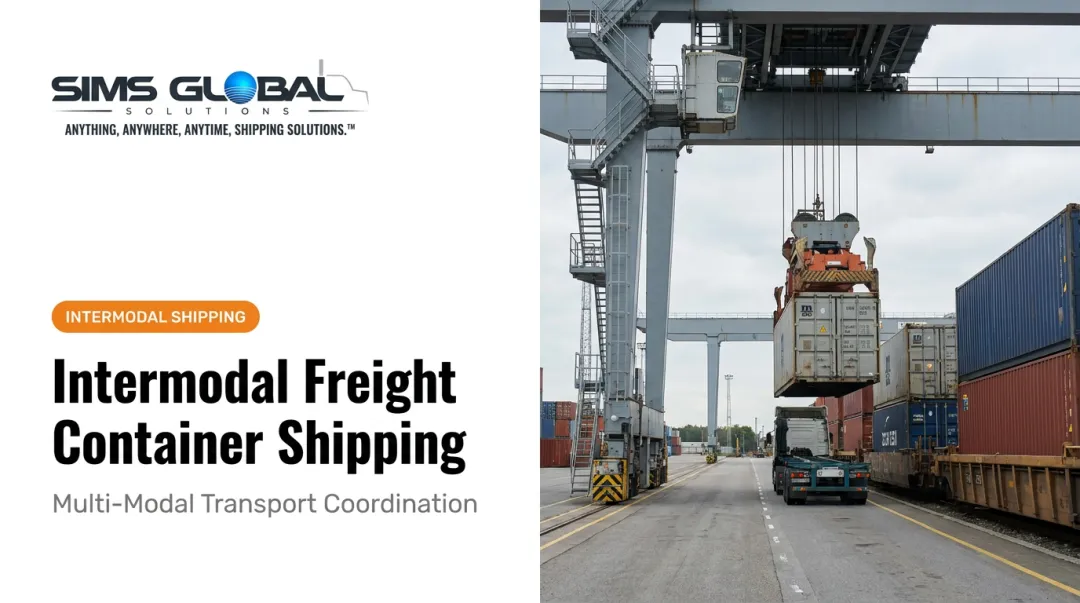
Intermodal transportation uses two or more modes (such as ship, rail, and truck) to move a single sealed container from origin to destination. The cargo never gets unloaded and reloaded between modes; the container itself is what transfers.
That matters because handling cargo repeatedly increases damage risk and adds delay. Intermodal is built for cost savings over long distances. Rail or ocean carries the bulk of the mileage, since both modes move freight more efficiently per ton over distance than a truck driving the same stretch alone.
What Is Intermodal Drayage?
Put those two definitions together and you get intermodal drayage: the trucking leg that links rail yards, ports, and terminals to the rest of the supply chain. It's the first mile and last mile of a shipment that otherwise travels by rail or ocean.
Here's what a full intermodal move typically looks like:
- A container arrives by ocean vessel at a port.
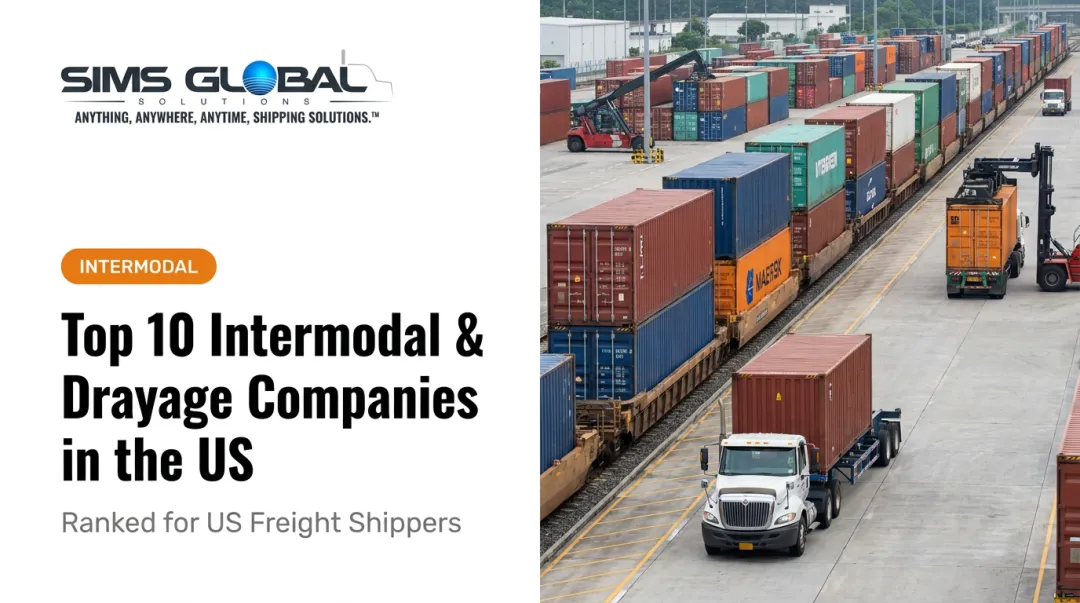
- A drayage carrier hauls it a short distance to a rail terminal.
- The container travels by rail across the country.
- A second drayage carrier picks it up at the destination rail ramp.
- That carrier delivers it to the final warehouse or distribution center.

Two drayage moves bookend one long rail haul. Without them, the container sits at the terminal, no matter how efficient the rail leg is.
This short segment gets treated as mission-critical for a simple reason: a container can't move itself. Ships can't pull up to loading docks, and trains can't back into warehouse bays. Somebody has to physically haul that box the last few miles, every single time.
Standardized equipment keeps this running. Drayage carriers rely on a few consistent components:
- Class 8 tractors paired with chassis to haul containers
- A Uniform Intermodal Interchange and Facilities Access Agreement (UIIA) covering most carriers and equipment owners
- Interchange terms recognized across nearly all of North America, replacing one-off contracts between carriers and equipment owners
That standardization is what lets a drayage carrier pick up a chassis owned by a railroad, load a container, and drop it off without a fresh negotiation every time.
Intermodal drayage isn't limited to loaded import and export containers, either. Empty containers need constant repositioning to meet demand at the next port or shipper location. That steady churn, loaded and empty, makes drayage one of the highest-volume trucking segments in the entire freight network.
Drayage vs. Intermodal: Key Differences
Scope is the easiest way to tell them apart. Drayage is one localized link in a chain, while intermodal is the entire coordinated journey, from origin to final destination, across every mode involved.
| Factor | Drayage | Intermodal |
|---|---|---|
| Distance | Often under 50 miles, local | Can span thousands of miles |
| Modes involved | Truck only | Ship, rail, and truck together |
| Role | First/last mile connector | Full shipment plan |
| Equipment | Chassis + Class 8 tractor | Container, chassis, rail cars, vessels |
Equipment tells a similar story. Drayage relies almost entirely on trucks and chassis, whereas intermodal integrates ships, trains, and trucks operating under one coordinated plan, often managed by a single logistics provider.
Is Drayage the Same as LTL?
No, and this trips people up constantly. Drayage moves a single sealed container over a short distance, while LTL (less-than-truckload) consolidates multiple shippers' freight onto one trailer for longer regional or interstate hauls.
- Drayage: One container, one shipper's sealed cargo, short local haul.
- LTL: Multiple shippers' freight combined, longer distances, priced by weight and space used.
- Best fit: Drayage suits port-to-warehouse moves; LTL suits multi-stop regional shipments.
They solve different problems. Drayage connects a terminal to a destination, whereas LTL shares truck space efficiently across several shippers heading the same general direction.
Think of intermodal as the whole relay race. Drayage runs the first leg and the last leg, both by truck, while rail or ocean carries the baton through the middle.
Benefits of Using Intermodal Drayage
Lower Cost Per Mile
Rail generally costs less than long-haul trucking for the bulk of a journey. Pairing that with efficient local drayage brings total shipping costs down compared to running a truck the entire distance.
Rail's efficiency has improved steadily over time. Inflation-adjusted rail rates were 44% lower in 2024 than in 1981, according to the Association of American Railroads, making rail intermodal one of the more cost-effective options for containerizable freight moving long distances.
Better Cargo Security
Sealed containers move without repeated handling. Fewer transfers mean fewer chances for damage or theft, especially compared to break-bulk freight touched at every stop along the way. That matters most for high-value cargo like electronics or specialty equipment, where every extra touchpoint adds risk.
Lower Emissions
Rail produces far fewer emissions per ton-mile than trucking. The EPA's GHG Emission Factors Hub puts medium- and heavy-duty trucks at 0.186 kg of CO2 per short ton-mile, compared to just 0.021 kg for freight rail.
For shippers with sustainability targets, shifting long-haul mileage from truck to rail, with drayage handling the short connections, offers a measurable way to cut freight-related emissions.
Fewer Bottlenecks
Coordinated drayage scheduling keeps containers moving instead of sitting at a terminal. Dwell time costs money in demurrage and detention fees, so tighter scheduling directly protects your budget.
Managing this alone means juggling multiple carriers, tracking systems, and terminal appointment windows. Sims Global Solutions offers integrated drayage, intermodal, and warehousing under one multi-modal network, backed by a base of more than 150,000 vetted carriers, so shippers don't have to coordinate each leg separately.

When Should You Use Intermodal Drayage?
Intermodal drayage makes the most sense in specific scenarios:
- Long-distance shipments where rail's cost savings outweigh the extra handling step of two drayage moves instead of one.
- Heavy or bulky freight where all-truck transport across the full distance gets expensive fast.
- Port-to-rail or rail-to-warehouse transfers that require a truck to bridge the gap.
Distance is the clearest signal. According to the Congressional Research Service, once a shipment exceeds 500 miles, more freight moves by rail or multiple modes than by straight truck, reflecting rail's growing advantage at longer distances.
A few other factors tip the decision toward intermodal drayage:
- Sustainability commitments that call for lower-emission transport options
- Fluctuating shipment volumes, since rail capacity absorbs surges more affordably than scaling up a dedicated trucking fleet on short notice
That said, intermodal drayage isn't always the right call. Time-sensitive shipments or short regional hauls are often better served by straight trucking or LTL, where you skip the extra transfer points entirely. Sims Global Solutions can help match each shipment's distance, weight, and timeline to the most cost-effective mode.
Choosing the Right Intermodal Drayage Partner
Not every broker handles drayage well. Look for a partner with:
- A nationwide carrier network that includes drayage-specific carriers, not just long-haul truckload providers.
- Real-time visibility technology so you know where your container sits at every leg, port, rail, and final delivery.
- Experience navigating port and rail terminal appointment systems, which can make or break how fast a container clears a facility.
Sims Global Solutions brings multi-modal capabilities spanning truckload, intermodal, drayage, and warehousing within a single network. That network is supported by SimsTrak, the company's proprietary Transportation Management System, which provides real-time tracking and consolidated documentation across shipment legs.
Beyond technology, a few basics protect your freight:
- Carrier vetting process - how thoroughly does the broker screen carriers before adding them to the network?
- Insurance coverage matters just as much - adequate protection needs to be in place before something goes wrong mid-move, not after.
- 24/7 support availability - can someone actually help when a chassis shortage delays your container overnight?
A single missed appointment window at a congested terminal can add days to a shipment that otherwise ran smoothly. Working with a broker that combines an extensive vetted carrier base with in-house procurement oversight, like Sims Global Solutions, helps shippers avoid those delays before they start.

Frequently Asked Questions
What is drayage vs intermodal?
Drayage is the short-distance truck leg connecting a port, rail ramp, or terminal to a final destination. Intermodal is the full multi-mode journey, combining ship, rail, and truck, with drayage connecting each leg.
Is drayage the same as LTL?
No. Drayage moves a single sealed container over a short distance, while LTL consolidates multiple shippers' freight onto one trailer for longer regional hauls.
What is an example of intermodal drayage?
A container arrives at a port by ship, gets drayed a few miles to a rail terminal, travels cross-country by train, then gets drayed again to its final warehouse destination.
Is drayage considered part of intermodal shipping?
Yes. Drayage is typically the first and/or last leg of an intermodal shipment, not a standalone shipping method.
How is intermodal drayage pricing calculated?
Drayage pricing is based on time and local mileage rather than long-haul mileage rates. Accessorial fees, like chassis rental, overweight charges, and port congestion fees, often apply on top.
What is the difference between drayage and long-haul trucking?
Drayage covers short, localized distances, often under 50 miles. Long-haul trucking covers extensive interstate or cross-country distances using a single truck for the entire trip.