Introduction
A production line goes down because one sensor failed. A concert rigger realizes a critical cable box got left behind. A clinic needs a replacement surgical instrument kit by morning, not by next week's scheduled delivery.
These situations don't need a full truckload. They need something fast, dedicated, and door-to-door. That's where hot shot cargo van loads come in.
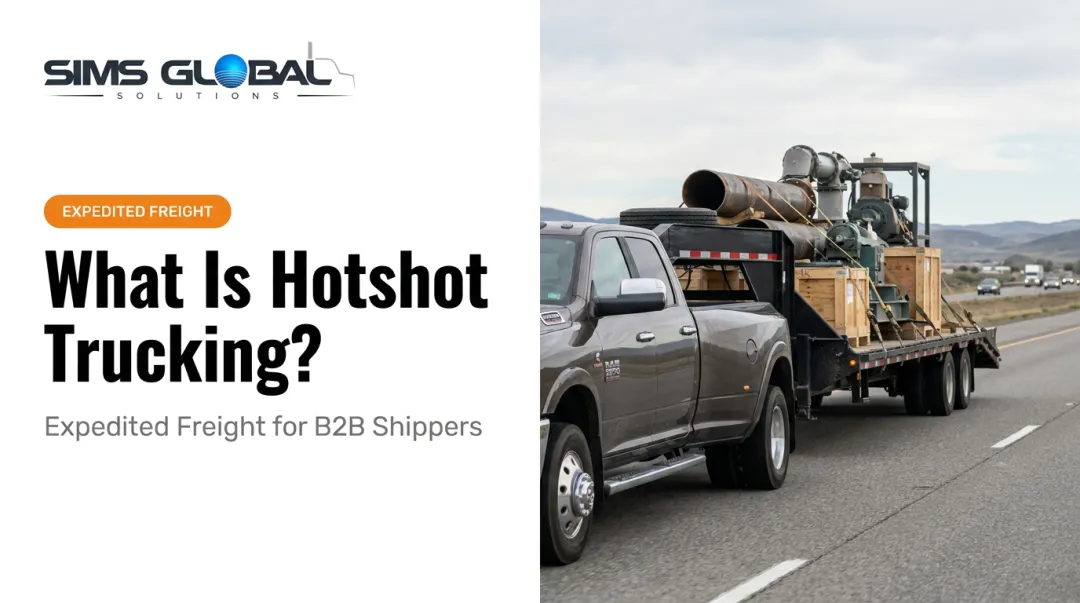
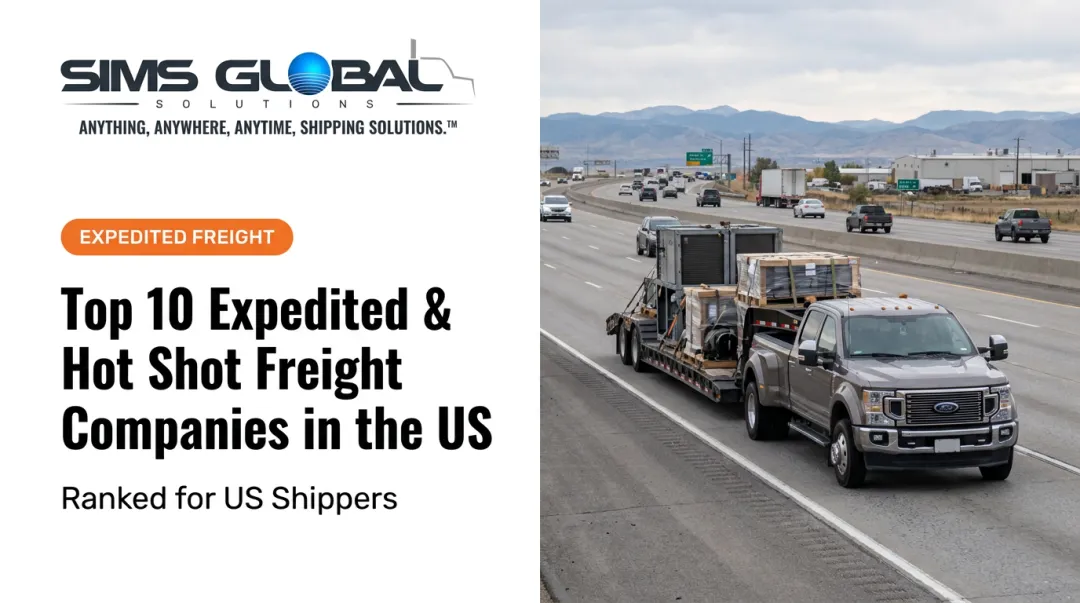
Most people picture hot shot trucking as a pickup truck dragging a gooseneck trailer down the highway. That image is accurate for a lot of freight, but cargo vans have become the go-to option for smaller, enclosed, time-sensitive shipments that don't need an open trailer at all.
This article breaks down what qualifies as a cargo van hot shot load, the legal requirements involved, which freight types fit best, and how shippers can source this capacity quickly through a broker like Sims Global Solutions.
Key Takeaways
- Cargo vans can haul hotshot freight without a CDL if GVWR stays under 26,001 lbs with proper authority and insurance.
- Vans work best for enclosed, weather-sensitive freight, while flatbeds handle bigger, longer, oversized loads.
- A freight broker gives shippers faster access to vetted cargo van capacity than solo load-board searches.
What Is Hot Shot Cargo Van Trucking?
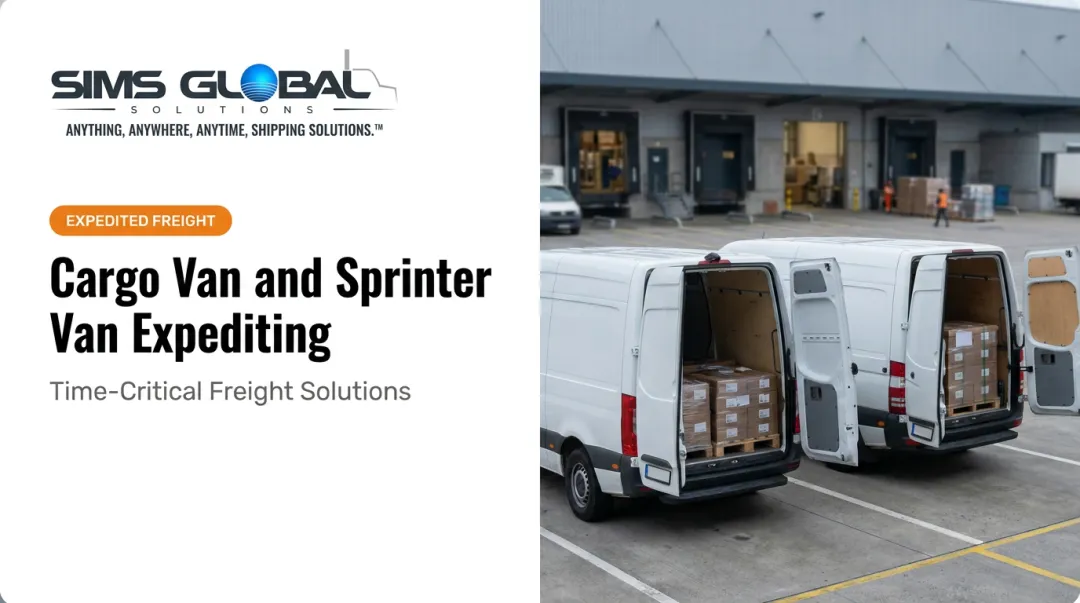
Hot shot cargo van trucking is expedited, point-to-point transport of smaller freight using an enclosed van instead of a pickup truck and open trailer. The shipment gets a dedicated vehicle, no waiting for a trailer to fill up with other freight, no terminal stops.
The term "hot shot" itself dates back to the oilfield days, when urgent equipment had to move fast to keep rigs running. FreightWaves defines hot shot trucking as expedited movement of smaller, time-critical freight directly to one destination, typically using pickups or medium-duty vehicles. Cargo and Sprinter vans now fill a growing share of that same ground-expedite category.
Van Capacity vs. Pickup-Trailer Setups
Cargo vans aren't small by any stretch, but they can't match a pickup-gooseneck combo on raw capacity. Here's how the numbers generally shake out across common models:
| Vehicle Type | Cargo Floor Length | Max Payload |
|---|---|---|
| Ford Transit Cargo Van | 126.0–172.2 in. | 3,145–5,052 lbs |
| Mercedes-Benz Sprinter | Up to 189.4 in. | Up to 6,733 lbs |
| Ram ProMaster | 96.0–160.0 in. | 4,000–4,750 lbs |
| Pickup + 25-30 ft Gooseneck | 300–360 in. deck | 10,820–11,320 lbs |
Actual payload shrinks once you factor in shelving, upfits, fuel, and the driver's weight. Always work from the specific vehicle's door sticker, not a brochure number.
The Enclosed Advantage
Protection, not capacity, is what actually sets a van apart. A flatbed hot shot trailer exposes freight to rain, road debris, and prying eyes at every stop. A cargo van doesn't.
That makes vans the better fit for:
- Electronics and sensitive components
- Retail merchandise and store fixtures
- Medical devices and instrument kits
- Anything that can't get wet, dusty, or stolen off an open deck
Freight that's too long, too heavy, or needs a forklift to load still belongs on a flatbed or gooseneck. A van is the wrong tool for a piece of manufacturing equipment that needs crane assistance.

Can You Do Hotshot With a Cargo Van?
Yes. As long as the van and its cargo stay within weight and regulatory limits, a cargo van is a legitimate hotshot vehicle.
Most standard cargo vans fall well under the 26,001-lb CDL threshold, meaning drivers generally don't need a commercial driver's license to operate one.
FMCSA guidance on CDL requirements confirms Class A CDLs apply to combinations of 26,001 lbs or more with a towed unit exceeding 10,000 lbs GVWR — a threshold most vans never approach.
That said, "no CDL needed" doesn't mean "no rules apply."
Regulatory and Documentation Requirements
Before a cargo van hits the road for interstate hotshot work, it typically needs:
- A USDOT number: required for interstate carriers once GVWR, GCWR, or actual weight hits 10,001 lbs or more.
- Operating authority (MC number): generally required for for-hire carriers moving freight owned by others across state lines.
- Liability and cargo insurance: proof of coverage appropriate to the freight value and route.
- Hours-of-service compliance: federal HOS rules kick in at the same 10,001-lb threshold, well below the CDL line, so a non-CDL van driver can still be subject to driving-hour limits.
A short-haul exception exists for drivers staying within 150 air miles of their home terminal and finishing within 14 hours, which covers a lot of local and regional hotshot runs.
Pros and Cons of Cargo Van Hotshot Loads
Advantages:
- Lower fuel and maintenance costs than a truck-trailer combo
- Easier maneuverability in cities and tight docks
- No trailer hookup, backing, or hitch inspection needed
- Faster loading and unloading through side and rear doors
Limitations:
- Lower weight and length capacity than gooseneck or flatbed setups
- Can't haul oversized, non-palletized, or heavy equipment
- Interior height and door openings can rule out bulky freight
If the load fits through the doors and stays under the payload rating, a van usually wins on cost and speed. If it doesn't, don't force it.
What Freight Works Best for Cargo Van Hot Shot Loads?
Not every shipment needs a cargo van, but certain industries lean on this service constantly because their freight is small, urgent, and needs protection.
Industries that frequently use cargo van hotshot service include:
- Medical device and healthcare component manufacturers
- Retail chains needing store replenishment or fixture delivery
- Technology and electronics companies
- Concert and event production crews
- Small manufacturers shipping machine parts

The financial stakes clarify why this speed is so critical. For example, Inbound Logistics reports that a factory shutdown from a missing part can cost upwards of $100,000 per hour. This explains why a manufacturer will pay a premium to get one component moving immediately instead of waiting on standard freight.
An event crew facing a last-minute equipment failure before a show faces a similar calculus. The cost of an expedited van run is nothing compared to a cancelled performance.
These high-stakes scenarios are why Sims Global Solutions works directly with clients in medical manufacturing, technology, retail, and event production. We build tailored expedited solutions around each industry's specific urgency and handling needs.
Cargo Van Hotshot vs. Other Hot Shot Vehicle Options
Choosing between a van, a pickup-trailer combo, and a box truck comes down to three questions: how big, how heavy, and how urgent.
Van vs. Pickup + Trailer
A cargo van keeps freight enclosed and protected from weather, and it's easier to drive and park. A pickup with a flatbed or gooseneck trailer wins on raw weight and length capacity, especially for freight that needs to be forklifted or craned on.
Van vs. Box Truck
Vans are more fuel-efficient and nimble, better suited to smaller loads and tighter delivery windows. Box trucks handle larger enclosed freight (think multiple pallets) but sacrifice some of that agility in city traffic and at tight loading docks.
Quick decision guide:
- Small, urgent, enclosed load → Cargo van
- Long, heavy, or oversized load → Pickup + flatbed/gooseneck
- Multiple pallets, still enclosed → Box truck
- Extreme urgency regardless of size → Talk to a Sims Global Solutions broker who can match all three options against your timeline
How to Find and Book Cargo Van Hot Shot Loads
Shippers generally have two paths to secure cargo van hot shot capacity: post the load themselves on an online load board, or work with a freight broker who sources capacity on their behalf.
Load boards work fine when there's time to wait, review bids, and vet an unfamiliar carrier. Urgent freight rarely allows for that luxury.
A broker's existing carrier network shortens that search dramatically. Instead of posting and hoping, the broker already knows which carriers have available capacity right now, essential for same-day or next-day pickups.
What to look for in a broker's process:
- Access to a large, pre-vetted carrier pool (Sims Global Solutions works with a network of 150,000+ carriers)
- Round-the-clock support for urgent bookings, not just business-hours coverage
- Real-time shipment visibility once the load is moving
- Documented carrier vetting for insurance and safety compliance before a van ever gets dispatched

Sims Global Solutions delivers on each of those points:
- 24/7 agent support for round-the-clock booking, not just business hours
- SimsTrak, a proprietary TMS with real-time tracking on expedited shipments
- An in-house Carrier Procurement Team that vets carrier insurance, authority, and safety history before booking
- A+ rated supplemental cargo insurance for high-value freight that needs extra protection
Skipping the vetting step is where a lot of expedited shipments go wrong. An uninsured or poorly rated carrier showing up on a load board can look identical to a solid one, until something goes wrong mid-route.
If you've got an urgent, smaller shipment that needs to move now, request a quote from Sims Global Solutions for cargo van or other expedited hot shot solutions.
Frequently Asked Questions
Can you do hotshot with a cargo van?
Yes. As long as the van's Gross Vehicle Weight Rating (GVWR) stays under 26,001 lbs and the operator carries proper insurance, operating authority, and a USDOT number for interstate hauls, cargo vans are a legitimate hotshot option.
What does "hot shot" mean in freight?
Hot shot freight refers to urgent, dedicated, often partial-load transportation that moves directly to one destination faster than standard LTL or FTL scheduling allows.
Do you need a CDL to drive a cargo van for hotshot loads?
Most cargo vans stay below the 26,001-lb CDL threshold, so a standard driver's license is usually sufficient. Hours of Service (HOS) rules can still apply at lower weights.
How much weight can a cargo van haul for hotshot freight?
Depending on the model, cargo vans typically carry roughly 3,100 to 6,700 lbs of payload, less than a pickup-trailer combo or box truck can handle.
What's the difference between a cargo van and a box truck for hotshot hauling?
Vans are more fuel-efficient and easier to maneuver for smaller loads, while box trucks offer larger enclosed capacity for multi-pallet freight.
How do I find cargo van hotshot loads or capacity quickly?
Owner-operators often use load boards, while shippers needing fast, vetted capacity typically turn to freight brokers like Sims Global Solutions for quicker access to available vans.