
Picking the wrong one isn't a minor inconvenience. It can mean a failed roadside inspection, an unexpected permit delay, or freight damaged because it was loaded with the wrong equipment. Many shippers only learn the difference between these trailers after a shipment has already gone sideways.
This guide breaks down how RGN, step deck, and lowboy trailers differ in deck height, weight capacity, loading method, and cost, so you can match the right trailer to your freight before it ever leaves the yard.
Key Takeaways
- RGNs offer the lowest deck height and drive-on loading for self-propelled equipment.
- Step decks offer the best value for freight too tall for a flatbed but under about 10 feet.
- Lowboys add clearance beyond a step deck without the cost or complexity of an RGN.
- Let freight height, weight, and loading needs drive your trailer choice, not habit.
- An experienced heavy haul partner helps you avoid costly equipment mismatches and permit delays.
RGN vs Step Deck vs Lowboy: Quick Comparison
Each trailer type represents a step up in specialization and cost. Before getting into definitions, here's how they compare on the four factors that matter most to shippers.
Height Clearance
- Step deck: freight up to roughly 10 ft 2 in typically clears without over-dimensional permits, based on a common 40-inch lower deck.
- Lowboy: a deeper deck well, often around 24 inches, pushes clearance to roughly 11 ft 6 in.
- RGN: comparable clearance to a lowboy, and the go-to choice when you need that clearance combined with drive-on access.
Keep in mind these are common equipment benchmarks, not fixed legal ceilings. The FHWA notes that height limits are set state by state, generally ranging from 13 ft 6 in to 14 ft depending on the route.
Weight Capacity
Height determines what clears the road without a permit; weight capacity determines what the trailer can actually carry.
- Step deck: manufacturer capacity generally runs 70,000 to 110,000 lb, depending on the model and whether it rides on two or three axles.
- Lowboy: capacity swings widely by model and axle configuration. More axles mean higher engineered ratings, but there's no single industry-standard number.
- RGN: low-profile models typically handle 60,000 to 130,000 lb, while high-capacity detachable-neck models with flip axles or booster axles can reach 130,000 to 200,000 lb.
None of these figures guarantee your legal payload. Actual cargo weight has to fit within federal and state axle limits. On the Interstate system, that means an 80,000 lb gross vehicle weight, 20,000 lb on a single axle, and 34,000 lb on a tandem, all subject to the Federal Bridge Formula.
Loading Method
This is where the three trailers diverge the most:
- Step deck: loaded by forklift, crane, or an optional rear ramp. Not designed for equipment that drives itself on board.
- Lowboy (fixed-neck): same limitation as a step deck unless it's specifically built with a detachable gooseneck.
- RGN: the front gooseneck detaches and drops to the ground, forming a ramp so self-propelled equipment can drive straight onto the deck.
Cost & Availability
That loading flexibility comes at a price. Step decks are the most cost-effective option when freight fits their dimensional envelope, and they're widely available across nearly every carrier network. ATS notes that lowboys generally cost more because of their specialized design and the added driver experience required. RGNs sit at the top of that cost curve — the permitting, escort coordination, and driver skill involved all add expense.

Understanding Each Trailer Type
Here's a closer look at what actually makes each trailer structurally different, and why that matters for your freight.
Step Deck Trailers
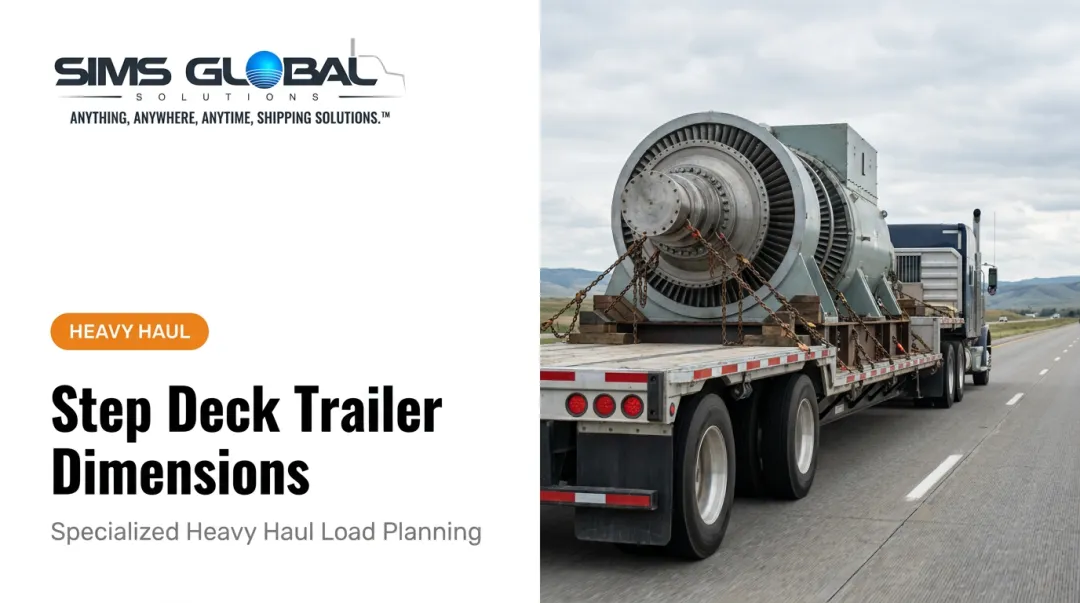
A step deck is a two-level trailer: a short upper deck sits over the tractor's frame rail, then drops down to a longer, lower main deck. That drop exists for one reason : to legally carry taller freight than a standard flatbed allows, often without needing an oversize height permit.
Because step decks are common across nearly every carrier network, sourcing one rarely causes delays. You'll typically see them hauling:
- Construction materials and structural steel
- Agricultural equipment
- Crated or palletized industrial machinery
Lowboy Trailers
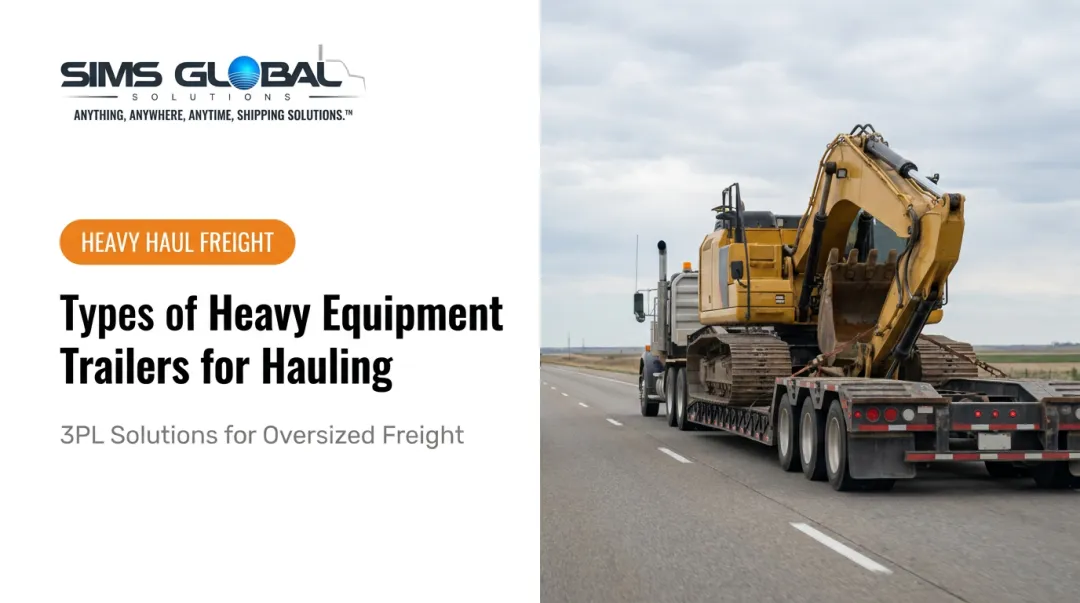
A lowboy, sometimes called a double drop, has two drops in the deck instead of one : a dip after the front connection and another before the rear axles. That creates a much lower well than a step deck offers, which translates into meaningfully more height clearance.
That extra clearance matters because it lets you ship tall equipment intact instead of partially disassembling it to fit under a step deck's limits. Common freight includes:
- Large construction machinery and industrial generators
- Heavy equipment that simply won't clear a step deck's height ceiling
RGN Trailers
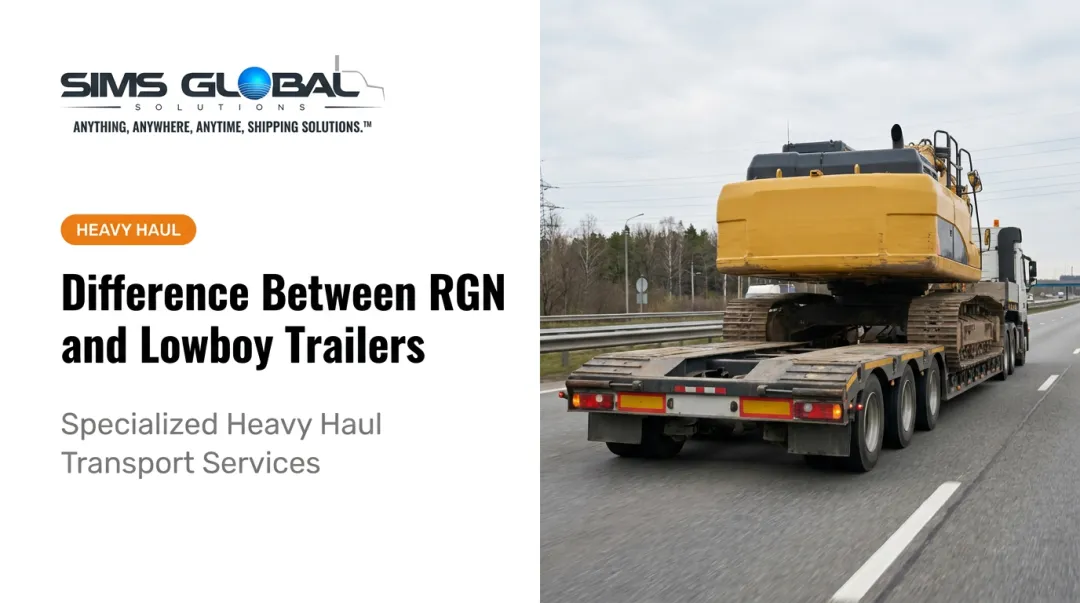
An RGN is a lowboy-style trailer with one key difference: the front gooseneck detaches and lowers to the ground, forming a ramp. That single design feature changes everything about how you load it.
Instead of needing a crane or forklift, self-propelled equipment can drive or roll directly onto the deck under its own power. That speeds up loading and reduces the equipment you need on-site. RGNs are the standard choice for:
- Excavators and bulldozers
- Oilfield equipment
- Military and defense equipment
- Other heavy machinery capable of driving into place
How to Choose the Right Trailer for Your Freight
Trailer selection comes down to three questions, in this order:
- How tall is the freight? Measure the loaded height, not just the equipment's spec sheet dimensions.
- How heavy is it? Know the actual weight, not an estimate, since axle limits and the Bridge Formula both come into play.
- Does it need to be driven on, or can it be lifted? This single question often decides between an RGN and everything else.
From there, the choice generally follows this pattern:
- A step deck fits freight that's taller than a flatbed can handle but still liftable by crane or forklift, within standard weight limits.
- Move up to a lowboy when freight exceeds step deck height limits but doesn't require drive-on loading.
- An RGN becomes necessary when equipment is self-propelled, extremely heavy, or must be driven directly onto the trailer.
One thing to plan for: permit requirements, escort needs, and route restrictions tend to increase as you move from step deck to lowboy to RGN. That progression affects both cost and lead time, so it pays to know which trailer you need well before pickup day.
If you're not sure which configuration fits your freight, Sims Global Solutions' Heavy Haul Trucking team can walk through the specs with you. Between an in-house heavy haul fleet and a vetted carrier network, they can match equipment to freight without guesswork on your end.

Real-World Example: Matching Equipment to a Heavy Haul Shipment
Here's how this decision typically plays out for a material handling equipment manufacturer shipping a self-propelled telehandler to a job site several states away.
The initial ask was for a standard flatbed, since that's what the shipper had used for smaller equipment before.
But this unit exceeded flatbed height limits once loaded. It was also capable of driving under its own power, which meant a flatbed or step deck would have required an outside crane just to get it on the trailer.
Billy, who leads Heavy Haul Trucking for Sims Global Solutions, evaluated three factors on this shipment:
- Loaded height once the telehandler was on the deck
- Total weight for permitting purposes
- Self-propelled capability, meaning it could drive onto the trailer
That combination pointed to one clear answer: an RGN. The detachable gooseneck let the telehandler drive straight onto the deck, no crane or forklift required, while the low deck height kept the load within a lower permit tier for that route.
The takeaway: identifying the right trailer before the shipment left the yard avoided a last-minute equipment swap, kept loading on schedule, and sidestepped the kind of permit rework that comes from guessing wrong.
If you're facing a similar decision, Sims Global Solutions' heavy haul team can help you get a quote and confirm the right trailer before you book anything.
Conclusion
There's no single "best" trailer among RGN, step deck, and lowboy. Each one solves a different combination of height, weight, and loading challenges, and the right pick depends entirely on your freight's specifics.
Getting that choice right protects your bottom line. It means fewer permit delays, lower re-routing costs, and heavy haul shipments that stay on schedule. Sims Global Solutions operates its own RGN and lowboy fleet, backed by a network of 150,000+ vetted carriers, to match your freight with the right trailer.
Frequently Asked Questions
What is the difference between RGN and step deck?
An RGN has a much lower deck and a removable gooseneck for drive-on loading, while a step deck has a fixed neck and loads via crane, forklift, or ramp. RGNs suit heavier, self-propelled equipment; step decks suit liftable freight.
What is the difference between a lowboy trailer and a step deck trailer?
A lowboy sits closer to the ground and allows greater height clearance than a step deck. It's also more specialized, less widely available, and typically costs more to use.
What are the advantages of using RGN trailers?
RGNs allow drive-on/drive-off loading without a crane, handle higher weight capacities with added axles, and legally transport taller, heavier equipment than most other open-deck trailers.
Is a lowboy the same as an RGN?
Not quite. An RGN is technically a type of lowboy with a detachable gooseneck. Some lowboys have a fixed neck instead, loading like a step deck rather than an RGN.
Which trailer type costs the most to use?
RGNs cost the most, driven by specialized equipment needs and complex permitting requirements. Lowboys come next, with step decks the most affordable of the three.
Can a step deck be used instead of an RGN?
Only if the freight can be lifted by crane or forklift and fits within standard height and weight limits. Equipment that must be driven on always requires an RGN.