The difference comes down to protection versus payload. A flatbed gives you maximum weight capacity and universal carrier availability. A Conestoga trades a few thousand pounds of capacity for a built-in tarp system that shields cargo from rain, UV, and road debris.
Getting this choice wrong in 2026 isn't cheap. Damaged high-value freight, unnecessary equipment premiums, or delays from chasing scarce trailers all hit the bottom line. This guide breaks down the real differences, where each trailer type shines, and how to match the right equipment to your specific load.
TL;DR
- Flatbed: Open deck, high capacity, low cost, exposed freight needs tarping.
- Conestoga: Tarp-on-frame system shields freight from weather and theft, costing more.
- Flatbed works best for heavy, weather-tolerant, budget-driven freight.
- Conestoga suits high-value, weather-sensitive, or security-conscious shipments.
- Both trailer types also come in step-deck and double-drop versions for taller loads.
Conestoga vs Flatbed: Quick Comparison
Here's how the two stack up across the factors that actually drive shipping decisions.
| Factor | Flatbed | Conestoga |
|---|---|---|
| Cost | Lower: wide carrier availability, no tarp hardware | Higher: specialized equipment, limited supply |
| Weight capacity | Roughly 48,000 lbs on a standard flatbed | Roughly 44,000 lbs on a flatbed Conestoga, less for step-deck/double-drop variants |
| Weather protection | Requires manual tarping; freight exposed until secured | Built-in retractable tarp shields cargo from rain, UV, and debris |
| Loading flexibility | Open access from any side, ideal for crane/forklift work | Side, rear, and top loading once the tarp retracts, similar to flatbed |
| Security | Cargo visible in transit | Tarp conceals freight, reducing theft and tampering risk |
The capacity numbers above come from Inbound Logistics' breakdown of flatbed and Conestoga trailer specs. Note that these are typical operating benchmarks, not universal legal maximums. Actual legal payload always depends on tractor tare weight, axle spacing, and state-specific rules.
Net result: flatbed wins on weight and price. Conestoga wins on protection and peace of mind. Neither wins on both.

What Is a Conestoga Trailer?
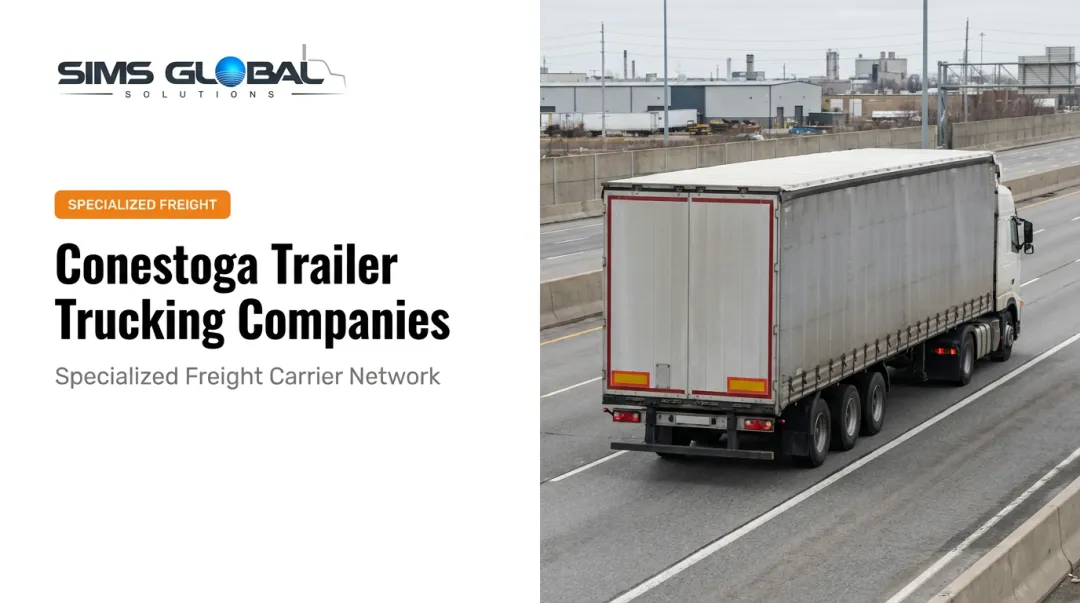
A Conestoga is a flatbed with a rolling tarp mounted on a rigid frame — think of it like a curtain that slides open and closed over the load. The design traces back to the covered freight wagons used near Pennsylvania's Conestoga River in the 1750s. The modern trailer version dates to 1984, when Aero Industries introduced the first rolling-tarp system.
That history matters less than the operational efficiency Conestogas deliver today:
- Eliminates manual tarping, which can take 1-4 hours depending on load size and weather
- Reduces cosmetic damage, since the supported cover doesn't drag across freight the way a loose tarp can
- Cuts driver labor and hours-of-service usage spent securing and removing covers
- Adds theft deterrence by hiding cargo details from passing traffic
Conestoga Subtypes
| Subtype | Max Cargo Height | Typical Weight Capacity |
|---|---|---|
| Flatbed Conestoga (48'/53') | 8 ft | 44,000 lbs |
| Step-deck Conestoga | 10 ft | 42,000 lbs |
| Double-drop Conestoga | 11 ft 7 in | 35,000 lbs |
Where Conestogas Fit
Conestogas make sense when freight needs both open-deck loading access and protection from the elements. Industries that lean on them include:
- Aerospace components
- CNC and industrial machinery
- Painted or finished metal goods
- Electronics and sensitive palletized freight
Manual tarps can also rub against sensitive surfaces during transit, which is exactly the friction risk Conestogas eliminate. One documented case involved a manufacturer moving moisture-sensitive robotic systems to a food-production facility under a tight installation deadline, according to ATS's project case study.
The fleet included five Conestoga trailers: three flatbeds, one step-deck, and one double-drop. Despite a last-minute equipment change, the load arrived on schedule.
What Is a Flatbed Trailer?
A flatbed is exactly what it sounds like: an open deck with no sides, roof, or walls. There's nothing standing between the freight and the road except straps and chains. That simplicity is the whole point.
Flatbeds dominate for a few clear reasons:
- Unmatched loading access — cranes and forklifts can approach from any angle
- Higher weight capacity than most Conestoga configurations
- Broader carrier availability, which keeps rates lower and equipment easier to find
Flatbed Subtypes
Not every flatbed looks the same. Four common configurations handle different freight based on height and deck clearance:
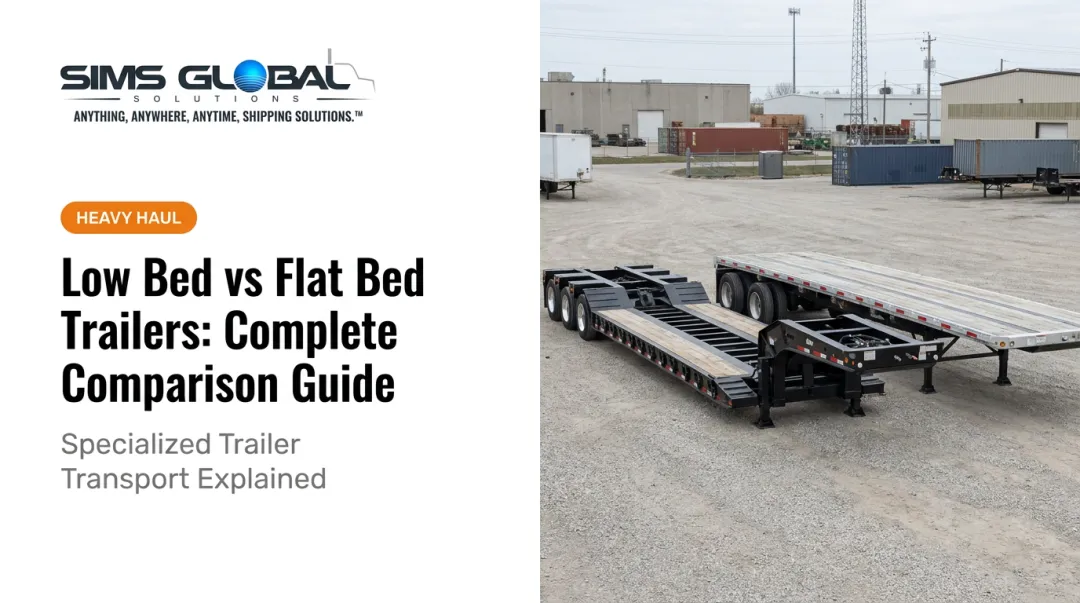
- Standard flatbed: 48-53 ft long, roughly 48,000 lbs capacity, about 8 ft 6 in of cargo height before overheight permitting kicks in
- Step-deck: Lower main deck for taller freight, typically 34-40 in deck height
- Lowboy: Very low deck height (as low as 12 in loaded), built for tall heavy equipment
- Double-drop: Deck sits between front and rear axles, accommodating the tallest freight

Matching freight dimensions to the right subtype prevents costly permitting surprises down the road.
Where Flatbeds Fit
Lumber and steel are the largest volume drivers in open-deck freight, and flatbeds carry the bulk of that tonnage. Common freight includes:
- Construction materials and building supplies
- Industrial and agricultural machinery
- Structural steel and metal coils
- Vehicles and heavy equipment
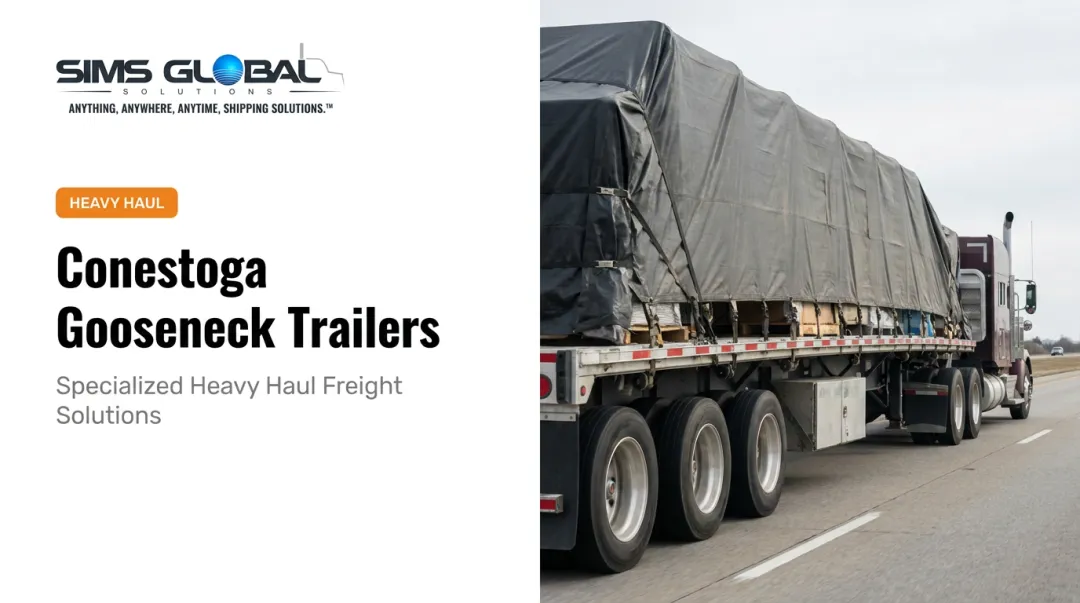
The trade-off is exposure. According to FreightWaves' reporting on open-deck operations, roughly half of all flatbed loads require tarping. That means tarp handling, securement time, and weather risk are baked into the cost of doing business with standard flatbed equipment, even before factoring in the freight itself.
Conestoga vs Flatbed: Which Is Better for Your Freight?
There's no universal winner here. The right call depends on four factors:
- Cargo sensitivity — Does weather, dust, or road grime pose real damage risk?
- Weight requirements — Does the load need every available pound of capacity?
- Budget — Can the shipment absorb a specialized-equipment premium?
- Equipment availability — Is Conestoga capacity even accessible in your lane?
That last point matters more than most shippers realize. Only about 2% of the 120,000+ carriers tracked by ATS actually own and operate Conestoga trailers. That scarcity can mean deadhead miles, longer lead times, and tighter pricing, especially outside major freight corridors.
Choose flatbed if: you're moving heavy, weather-tolerant freight and cost control is the priority.
Choose Conestoga if: protecting high-value or weather-sensitive cargo outweighs the added expense.
A Real-World Scenario
Picture a manufacturer shipping finished aerospace components across several states. On standard flatbeds with manual tarps, cosmetic scuffs and moisture exposure become recurring headaches — enough to trigger rework or rejected shipments at the destination dock.
Switching to Conestoga trailers solves the core problem: freight stays covered without sacrificing the crane and forklift access needed for loading heavy, irregular components. The tarp doesn't rest on the cargo, so there's no rubbing damage in transit, and the load stays hidden from prying eyes at truck stops.
Because Conestoga capacity is scarce, this is exactly where a freight partner with deep carrier reach earns its keep. Sims Global Solutions works with a network of 150,000+ carriers, backed by a dedicated Carrier Procurement Team that vets equipment availability before it becomes a scheduling problem.

That kind of access matters when you can't afford to wait days for the right trailer to show up in your lane.
The takeaway: if cargo value or sensitivity outweighs the rate difference, Conestoga earns its premium. If you're moving durable freight where a scuff doesn't matter, flatbed remains the smarter spend. Talk to a specialized carrier network to pressure-test which side of that line your freight falls on.
Conclusion
Flatbed and Conestoga trailers solve the same basic problem: moving freight that won't fit inside a box. They just solve it differently. Flatbeds maximize weight capacity and keep costs down, while Conestogas trade some payload for weather protection, security, and reduced handling damage.
The right choice comes down to your freight's weight, its sensitivity to damage, and what you're willing to spend to protect it. Get that match right, and you avoid unnecessary premiums and costly damage claims. Sims Global Solutions helps shippers match freight to the right flatbed or Conestoga setup, keeping loads moving efficiently through 2026's shifting equipment market.
Frequently Asked Questions
What is a Conestoga trailer?
A Conestoga is a specialized flatbed with a retractable tarp mounted on a rigid frame. It protects freight from weather and debris while still allowing flatbed-style crane or forklift loading.
What is the difference between a flatbed and a Conestoga?
Flatbeds are fully open with higher weight capacity, around 48,000 lbs. Conestogas add a rolling tarp for weather and security protection, but at a slightly lower capacity of about 44,000 lbs.
How much does a Conestoga trailer cost?
Conestogas typically cost more to book than standard flatbeds due to specialized equipment and limited carrier supply. Rates vary by lane, so it's best to consult a freight broker with a wide carrier network, such as Sims Global Solutions, for current pricing.
Are Conestoga trailers worth it?
They're worth it for high-value, weather-sensitive, or security-conscious freight. For durable cargo that tolerates standard tarping, the added cost usually isn't justified.
What is a flatbed trailer best used for?
Flatbeds excel at hauling heavy, oversized, or irregularly shaped freight like lumber, machinery, and construction equipment that need open-access loading from any side.
How do I decide which trailer type is right for my shipment?
Evaluate your freight's weight, weather sensitivity, and budget, then work with a freight partner like Sims Global Solutions, which taps a 150,000+ carrier network to match the right equipment to your specific load.