Success isn't about tossing tomatoes in a box and hoping for the best. Results depend on packaging, temperature control, transit time, and whether you're using parcel or freight. A one-hour delay in cooling can shave a full day off shelf life, according to Penn State Extension — and that's before the product even leaves the loading dock.
This guide walks through the full shipping process, how to match your shipping method to your volume, the variables that determine freshness, and the mistakes that sink otherwise solid shipments.
Key Takeaways
- Fresh produce shipping success depends on three pillars: packaging/temperature control, freight method, and transit time.
- Small quantities move via parcel; farms, distributors, and retailers shipping bulk need LTL, FTL, or reefer freight for consistency.
- Pre-cooling, proper packaging, and early-week shipping all cut spoilage risk.
- USDA restricts interstate movement of certain fruits and vegetables — check regulations before crossing state lines.
How to Ship Fresh Produce: Step-by-Step Process
Step 1: Gather the Right Packaging and Equipment
Before you pack a single box, assemble the right materials. A solid produce shipping kit includes:
- Corrugated boxes or crates: fiberboard cartons designed to bear weight on their four walls, loaded upright with bottoms down
- Insulated liners or foam containers for temperature-sensitive loads
- Moisture-retaining wrap or liners to reduce transpiration loss
- Coolant: gel packs or wet ice, chosen based on climate and transit length (dry ice is more common for frozen freight than fresh produce)
Ventilated boxes matter more than most shippers realize. They allow the produce to keep respiring and releasing heat naturally, which reduces reliance on ice packs, especially in cooler months when ambient temperatures do some of the work for you.
Step 2: Harvest, Inspect, and Pre-Cool Produce
Timing is everything here. Produce should be harvested and moved into refrigeration as close to the ship date as possible. Every hour of delay compounds against you.
Before packing, inspect every item for bruising, soft spots, or overripeness. This isn't optional. One bad piece of fruit accelerates spoilage for everything around it through ethylene release and mold spread.
Pre-cooling speed varies dramatically by method and commodity. Forced-air cooling runs 75% to 90% faster than simple room cooling, and hydrocooling can be roughly five times faster than air cooling.
USDA data shows forced-air cooling grapes in about 2 hours, while cantaloupes can take more than 5 hours. There's no single number that applies across the board.
Step 3: Pack for Moisture, Temperature, and Cushioning
Moisture management makes or breaks a shipment. Too dry, and produce wilts. Too wet, and mold takes over. The balance comes from:
- Loosely sealed bags or polyethylene liners that allow some airflow while limiting transpiration
- Vent openings equal to roughly 5% of the carton's side area when forced-air cooling is used
- Coolant placed with a barrier (paper or bubble wrap) between it and the produce, so gel packs don't freeze the product on direct contact
Cushioning matters just as much as temperature. Bubble wrap or packing peanuts prevent bruising from vibration and shifting during transit, which is often the real cause of "spoiled" produce that actually just got crushed.

Step 4: Select the Right Carrier, Label, and Load the Shipment
Label every box "Perishable" with clear shipper and receiver contact information. This sounds basic, but mislabeled or unlabeled perishable freight is far more likely to sit unattended at a terminal.
For larger loads, loading practice matters as much as packaging:
- Verify the trailer is pre-cooled before loading begins. Loading warm product into a cold trailer, or product into a warm trailer, causes problems either way.
- Distribute weight evenly across pallets to prevent shifting in transit.
- Preserve airflow around palletized crates. GCCA guidance is explicit that shrink wrap and slip sheets must not block air passages through respiring cargo.
Step 5: Track and Monitor the Shipment in Transit
Once the shipment leaves the dock, visibility becomes the priority. Real-time GPS and temperature monitoring catch problems while there's still time to react, rather than after the produce arrives spoiled.
For bulk freight, this is where working with a broker pays off. Sims Global Solutions assigns a dedicated logistics coordinator to schedule, track, and monitor loads from pickup to delivery, backed by automated 15-minute GPS pings on truckload shipments and 24/7 support.
That level of oversight gives shippers more control than standard parcel tracking, which typically only shows package location, not condition.
Choosing the Right Freight Method: Parcel vs. LTL vs. FTL vs. Temperature-Controlled
The right shipping method depends on volume, distance, and how temperature-sensitive your produce is. Mismatching method to shipment size is one of the most common , and costliest, errors businesses make.
Parcel/Small Package Shipping
Parcel fits individuals or small businesses shipping under roughly 150 lbs. per package, typically using next-day air with gel packs.
- Best for: One-off or low-volume shipments direct to consumers
- Key trade-off: Higher per-pound cost, and limited temperature control once transit stretches beyond a day
LTL (Less Than Truckload) Freight
LTL suits mid-sized shipments , generally 150 to 15,000 lbs., that don't fill a full trailer. Multiple shippers share space, which lowers cost compared to booking an entire trailer.
- Best for: Regional distributors, restaurants, or smaller retailers restocking regularly
- Key trade-off: More handling touchpoints and terminal stops than FTL, which can add transit time and increase damage risk for delicate produce
FTL and Temperature-Controlled Freight
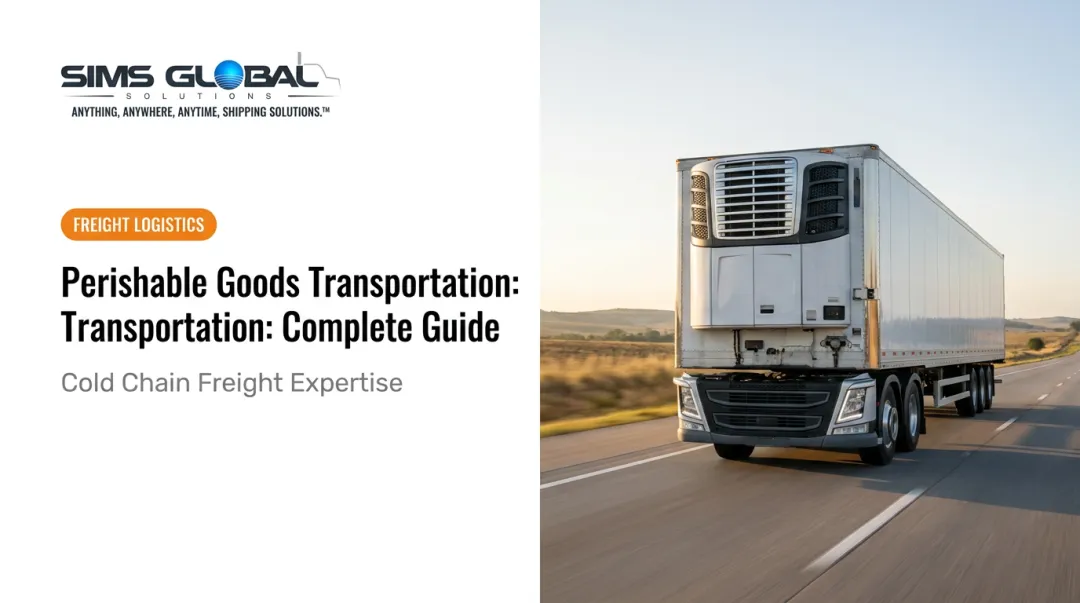
Full truckload and reefer trailers dedicate the entire trailer to one shipment, typically around 24 to 30 pallets. That means an unbroken cold chain with no intermediate handling.
- Best for: Bulk shipments to grocery chains, large-scale events, or meal-kit distribution centers
- Key trade-off: Requires enough volume to justify a dedicated load, though this becomes less of a barrier when working with a broker with strong carrier access
Sims Global Solutions supports LTL, FTL, and temperature-controlled freight, backed by a network of over 150,000 vetted carriers and real-time GPS tracking.

Produce volume shifts by season, which changes capacity needs from month to month. Whether you're shipping a single pallet or a full reefer trailer, the goal is picking the right modality without juggling separate carrier relationships for each one.
Key Factors That Affect Produce Freshness in Transit
A handful of controllable variables determine whether produce arrives fresh or ruined. Get these wrong, and even excellent packaging won't save the load.
Temperature Range
Different produce needs different temperature bands, and "hardy" versus "delicate" isn't a reliable shortcut. Strawberries need near-freezing conditions, while bananas, despite being tropical and delicate, need much warmer temps to avoid chilling injury.
| Produce | Recommended Temp | Note |
|---|---|---|
| Apples | 30–32°F | 90–95% RH |
| Strawberries | 32°F | Roughly 10-day shelf life at proper temp |
| Bananas | 56–58°F | Chilling injury risk below ~55°F |
| Tomatoes (mature-green) | 55–70°F | Colder temps cause poor ripening |
Get the range wrong in either direction and you accelerate ripening, rot, or chill damage, sometimes within hours. Always confirm commodity-specific ranges rather than guessing, as USDA's guidance on transporting perishable foods by truck makes clear these targets vary widely by product.
Transit Time
Fresh produce has a short window once harvested. Every extra hour in transit compounds spoilage risk, particularly for high-respiration items like berries and leafy greens.
Many carriers use roughly 24-48 hours as a practical operating target for perishables, though actual safe windows depend on the commodity, its condition at harvest, and how well it was pre-cooled. There's no single number that applies to every shipment: treat published windows as a starting point, not a guarantee.
Humidity and Moisture Control
Too little moisture dries produce out. Too much accelerates mold and rot. Most fresh produce needs 85% to 95% relative humidity, with some vegetables requiring even higher ranges to limit wilting.
- Ventilated packaging allows gas exchange without trapping excess moisture
- Moisture-retentive liners slow transpiration without sealing the product airtight
- Condensation risk climbs when high-humidity systems face even small temperature swings
Day of Week Shipped
Weekend transit gaps mean packages can sit in warehouses with no cold chain monitoring until Monday. Shipping Monday through Wednesday is a widely used practice for avoiding this dead zone. It's not a regulated standard, but it's a smart operational habit that reduces exposure to unmonitored layovers.
Common Mistakes to Avoid When Shipping Fresh Produce
Most produce shipping failures trace back to the same handful of errors:
- Skipping pre-cooling — this forces packaging and coolant to work overtime trying to bring temperatures down mid-transit, and they often can't keep up.
- Mismatching shipping method to volume — paying premium parcel rates for bulk loads, or trying to book freight without enough volume to justify it.
- Under-packing cushioning — even with perfect temperature control, produce arrives bruised or crushed without adequate padding.
- Ignoring interstate shipping rules — USDA APHIS restricts movement of certain produce between states to prevent pest and disease spread.

These restrictions vary by commodity and origin. For example, USDA APHIS's September 2025 update on fresh citrus movement shows how specific they can get.
Conclusion
Shipping fresh produce successfully comes down to matching packaging and temperature control to the shipment's size, then choosing a freight method suited to its urgency. Most spoilage traces back to poor prep, the wrong shipping method, or unmonitored transit time — rarely the produce itself.
Partnering with an experienced logistics provider removes much of that guesswork. Sims Global Solutions gives shippers of any size access to vetted, temperature-controlled carriers and real-time visibility, whether you're moving a single cooler or coordinating a full reefer fleet during peak harvest season.
Frequently Asked Questions
How do they ship produce?
Shippers pre-cool produce, pack it with moisture and temperature control (ice packs, gel packs, or refrigerated trailers), then move it via parcel, LTL, FTL, or temperature-controlled freight depending on volume and distance.
What is the best temperature for transporting fresh produce?
It varies by commodity — strawberries need near-freezing conditions while bananas need a much warmer range to avoid chilling injury. Confirm specifics with your shipping provider before booking.
Can fresh produce be shipped without refrigeration?
Some hardy items like potatoes, sweet potatoes, and onions tolerate ambient dry storage around 60-70°F. Most fruits and vegetables still benefit from basic temperature control to prevent bruising and spoilage.
What's the difference between FTL and LTL for shipping produce?
FTL dedicates an entire trailer to one shipment, giving tighter cold-chain control for large volumes. LTL shares trailer space across multiple shippers, which suits mid-sized loads at a lower cost.
How long can fresh produce stay in transit before it spoils?
Most perishable shipments aim for well under 48 hours, with shorter windows needed for delicate items like berries or leafy greens. Actual limits depend heavily on the specific commodity and its condition at harvest.
Are there regulations for shipping fresh produce across state lines?
Yes. USDA APHIS restricts movement of certain produce between states to prevent pest and disease contamination. Check current guidelines or consult a logistics partner like Sims Global Solutions that's familiar with agricultural shipping rules before you ship.