
That lever is reefer intermodal: a shipping method that pairs refrigerated containers with rail for the long haul and trucks for the first and last mile. Most shippers default to straight OTR reefer trucking because it's familiar, but rail-based cold chain capacity often sits underused on longer lanes.
This article covers how reefer intermodal works, the container types involved, and when it makes more sense than traditional trucking. Coordinating between rail carriers and drayage providers can get complicated fast. Working with a multi-modal partner like Sims Global Solutions means shippers can tap into this capacity without managing those relationships themselves.
Key Takeaways
- Reefer intermodal combines rail for long hauls with truck drayage for local delivery.
- A diesel genset attaches to the container to power refrigeration during road transport.
- Perishable food and pharma shippers cut costs and add capacity with this mode.
- Choosing reefer intermodal over OTR trucking depends on transit time, distance, and cost.
What Is Reefer Intermodal?
Reefer intermodal blends two logistics concepts that shippers often understand separately but rarely see combined.
What Is a Reefer in Freight Transportation?
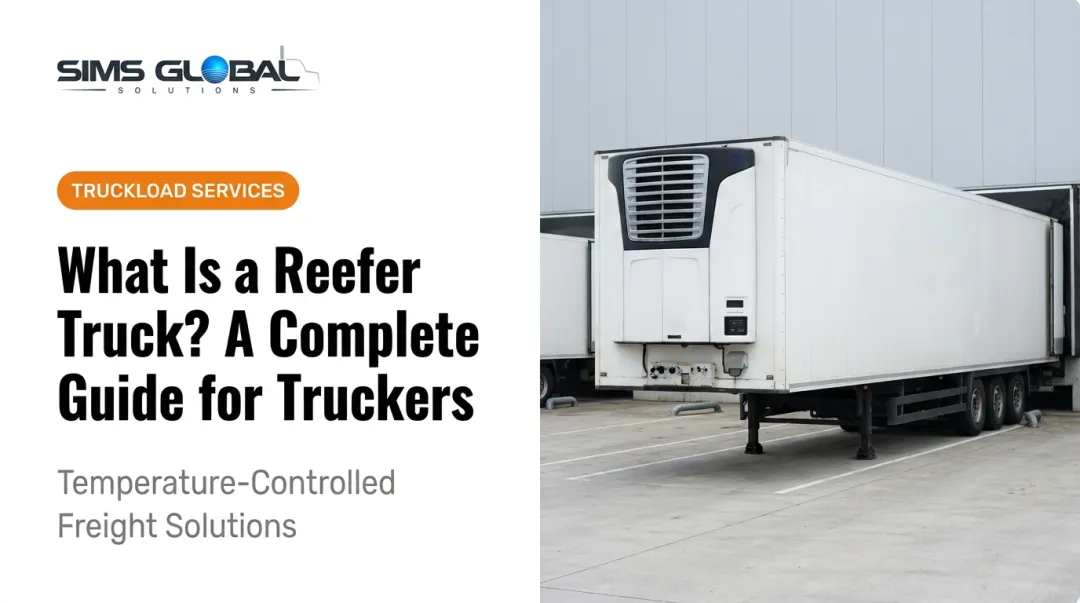
"Reefer" is industry shorthand for refrigerated equipment, whether that's a trailer or a container. Reefers maintain a controlled temperature range for cargo that can't tolerate ambient conditions, including:
- Fresh produce and frozen foods
- Dairy and beverages
- Pharmaceuticals and biologics
- Cosmetics and certain chemicals
What Does Intermodal Mean in Trucking?
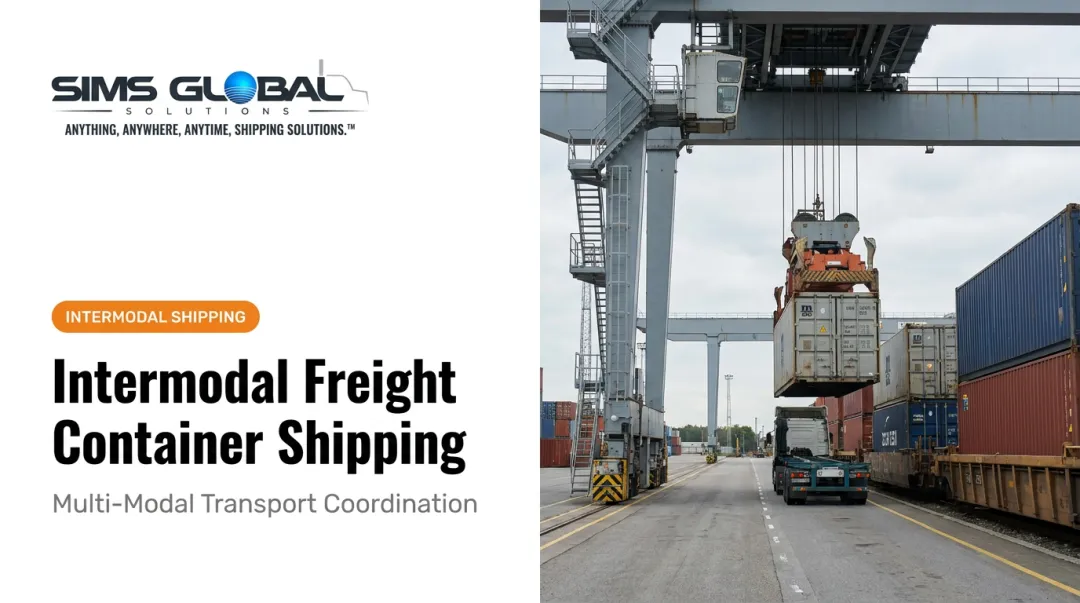
Intermodal means a single container moves across more than one transportation mode, typically rail and truck, without the freight being unloaded and reloaded along the way. The container changes hands between a rail carrier and a trucking company, but the cargo inside stays untouched.
Reefer Intermodal: The Combination
Reefer intermodal is the practice of shipping a refrigerated container by rail for the long-haul portion of a route. Trucks handle drayage, the short first- and last-mile legs, to and from rail terminals. These containers are sometimes called drayage containers because of that short truck movement on each end.
Domestic reefer intermodal containers typically run 45, 48, or 53 feet long, longer than the 20- and 40-foot containers used in ocean shipping. That extra length gives shippers more usable cube for palletized freight without changing the refrigeration mechanics.
A standard reefer trailer used in over-the-road trucking differs in three key ways:
- Handling: Intermodal containers detach from the chassis and load directly onto rail cars; OTR trailers stay coupled to a tractor for the full trip.
- Design: Intermodal containers are built for repeated crane lifts and stacking at rail yards; OTR trailers aren't.
- Simplicity: OTR trailers offer single-carrier, door-to-door simplicity; intermodal containers change hands between a rail carrier and one or two drayage carriers.
How Does Reefer Intermodal Shipping Work?
The reefer intermodal cycle follows a repeatable pattern, one that industry professionals often call the "pickup" and "delivery" cycle.
- Pickup: A drayage truck picks up the loaded, pre-cooled container from the shipper's dock and hauls it to the nearest rail ramp.
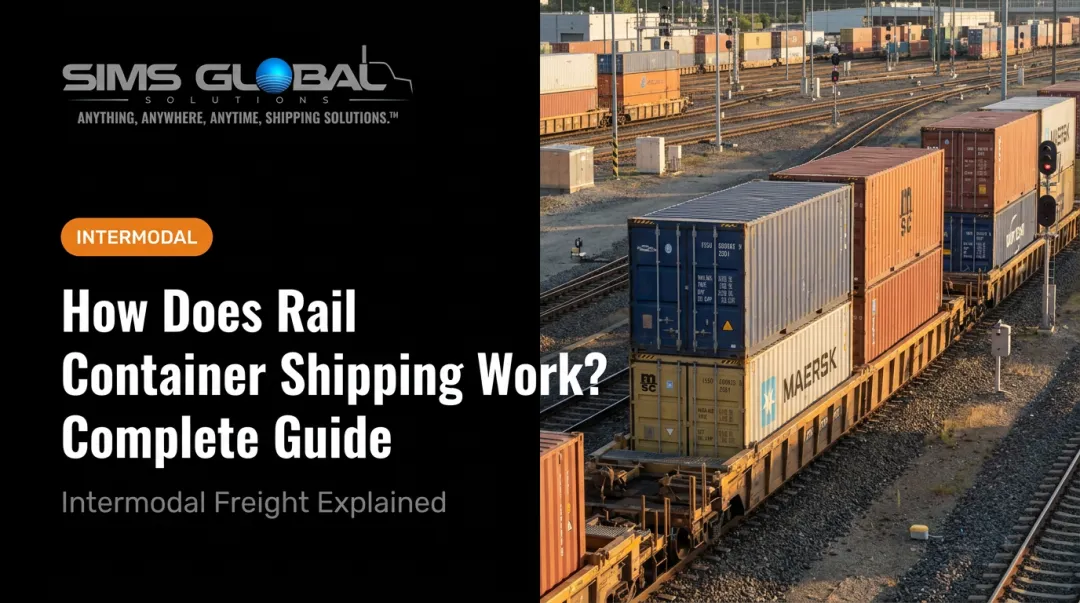
- Rail leg: The container is lifted onto a rail car for the long-haul portion of the route, sometimes covering more than a thousand miles.
- Rail-to-truck handoff: At the destination ramp, another drayage truck picks up the container.
- Delivery: The final truck leg carries the container to the consignee's dock for unloading.

Keeping the Cold Chain Running: The Genset
Rail yards and ports typically provide external power hookups to keep refrigeration units running while containers sit in the yard. But during the truck legs, there's no plug to draw from. That's where the genset comes in.
A genset, short for generator set, is a diesel-powered unit that clips onto the container or chassis. It runs independently of the truck's engine, powering the refrigeration unit so temperature holds steady for the entire drayage move.
Before a loaded container heads back to rail, drivers should:
- Verify fuel levels in the genset tank
- Confirm the refrigeration unit is set to the correct temperature
- Check for any active alarms on the unit
Skipping these checks carries real risk. A genset that runs out of fuel mid-transit can let cargo temperature drift out of range, and by the time anyone notices, spoilage may already have set in.
Monitoring Temperature in Transit
Genset checks reduce that risk before the trip starts, but they can't catch every problem once the container is rolling. That's where telematics take over — modern reefer containers pair with systems that track location, temperature, and door-open events in real time. Shippers and carriers can check a shipment's status from a phone or laptop rather than waiting for a call. That visibility matters most on longer rail legs, where a lot can happen between the origin ramp and the destination.
Reefer freight also has limited "road time" before it needs to reach temperature-controlled storage or get back onto a rail car. That's why drayage legs in reefer intermodal tend to be short and local, and why the mode pairs so naturally with rail's strength on the long haul.
Types of Intermodal Containers Used for Reefer Loads
Shippers evaluating intermodal generally choose between two broad container categories.
Dry vs. Reefer Containers
- Dry containers: Non-refrigerated boxes used for general freight that doesn't need temperature control.
- Reefer containers: Refrigerated boxes with a built-in cooling unit, used for perishables, pharma, and other temperature-sensitive cargo.
Temperature Range and Redundancy
Reefer containers use an integral refrigeration unit capable of holding a wide temperature band. Thermo King, one of the major equipment manufacturers, specifies an industry-standard setpoint range of -30°C to +30°C for its container platform, with tighter accuracy in chilled mode than in frozen mode.
For especially sensitive or high-value cargo, such as certain pharmaceuticals, some shippers add extra protection:
- Redundant refrigeration units (a primary system plus a backup)
- Independent backup power sources
- Continuous monitoring with alarm notifications
These aren't standard on every load. They're risk-based additions, often driven by cargo value, stability data, or regulatory expectations for products like biologics. A pallet of frozen vegetables doesn't need the same redundancy as a temperature-sensitive vaccine shipment.
Matching the container to the cargo remains the priority. Sims Global Solutions' intermodal offerings include reefer containers alongside dry and heated equipment, giving food, beverage, and pharma shippers an option built around their specific product needs.

Benefits of Reefer Intermodal Shipping
Reefer intermodal earns its place in a shipper's toolkit for a handful of concrete reasons.
Lower Costs Over Distance
Rail carries freight at a fraction of the fuel burned per mile compared to trucking. Class I railroads move a ton of freight roughly 480 to 500 miles per gallon, three to four times more fuel-efficient than a typical truck move.
That efficiency doesn't automatically translate into savings on every lane. Intermodal carries higher fixed costs than a single truck move, so savings show up on longer hauls, where the per-mile advantage has enough distance to outweigh those upfront costs.
Added Capacity When Trucking Tightens
Reefer trucking capacity isn't always there when shippers need it most. USDA reported reefer truck shortages across several California and U.S.-Mexico border crossing districts in early 2026, and produce season regularly squeezes the OTR reefer market. Rail networks often have room during exactly these stretches, giving shippers a second source of capacity instead of competing for the same scarce trucks.
Sustainability Gains
Rail's fuel efficiency advantage lowers emissions per ton-mile moved. Reefer units also draw electric power from shore connections while sitting at rail yards or ports, rather than idling on diesel. The emissions profile improves further whenever the container isn't moving.
Better Visibility and Risk Management
GPS tracking and real-time temperature alerts give shippers a way to catch problems before they become claims. If a unit's temperature drifts or an alarm trips, someone can react while the shipment is still in transit rather than finding out at delivery.
Where Sims Global Solutions Fits In
Coordinating rail carriers, drayage providers, and temperature-controlled equipment on your own means managing several vendor relationships at once. Sims Global Solutions' multi-modal capabilities, spanning intermodal, drayage, warehousing, and truckload, are built to remove that burden.
Its SimsTrak platform gives shippers a single point of contact and shipment visibility across the move, rather than juggling separate contacts for the rail leg and the truck legs.
Reefer Intermodal vs. Traditional Reefer Trucking: Which Is Right for You?
There's no universal right answer. The better mode depends on the lane, the timeline, and how much cost pressure a shipper is under.
Transit Time
OTR reefer trucking is typically faster door-to-door, especially on shorter or time-sensitive hauls. A single truck and driver team moves directly from origin to destination without a rail handoff.
Reefer intermodal works better on longer distances, where cost savings from rail can outweigh the extra time that comes from working around rail schedules and terminal transfers. For example, a shipment moving from Chicago to Dallas might arrive by truck in a day or two, while the same lane by rail could take three to five days including terminal dwell time.

Cost and Capacity
| Factor | Reefer Intermodal | OTR Reefer Trucking |
|---|---|---|
| Best for | Longer-haul lanes | Shorter, time-sensitive hauls |
| Cost structure | Lower per-mile cost, higher fixed costs | Higher per-mile cost, lower fixed costs |
| Capacity | Access to rail network capacity | Subject to OTR reefer market swings |
| Transit time | Longer, tied to rail schedules | Faster, direct door-to-door |
Making the Call
Shippers don't have to guess. The smartest approach is working with a partner that can quote both options and lay out the tradeoffs for a specific lane.
Sims Global Solutions supports both truckload and intermodal reefer capabilities through its nationwide carrier network and dedicated operations team. A shipper moving frozen goods from the Midwest to the East Coast, for example, can get a straight comparison of cost and timeline for both modes before committing, rather than defaulting to whichever mode they're most used to booking.
Frequently Asked Questions
What is a reefer in freight transportation?
"Reefer" is shorthand for a refrigerated trailer or container used to move temperature-sensitive goods like food, pharmaceuticals, and cosmetics. It maintains a controlled temperature range throughout transit to prevent spoilage or degradation.
What does intermodal mean in trucking?
Intermodal means a single container moves across more than one transportation mode, typically rail and truck, without the cargo inside being unloaded along the way. The container changes carriers, but the freight itself stays untouched.
What are the two types of intermodal containers?
Intermodal containers generally fall into two categories: dry containers for general, non-refrigerated freight and reefer containers for perishable or temperature-sensitive goods. Each suits different cargo needs and handling requirements.
How is temperature maintained during reefer intermodal transport?
A diesel-powered genset attaches to the container to run the refrigeration unit during road transport, since there's no external power source on a moving truck. At rail yards and ports, containers typically plug into shore power instead.
Is reefer intermodal cheaper than over-the-road reefer trucking?
It can be more cost-effective on longer hauls, since rail's lower per-mile costs help offset intermodal's higher fixed costs. Savings depend heavily on the lane, distance, and available capacity at the time of booking.
What types of products commonly ship via reefer intermodal?
Perishable foods, beverages, pharmaceuticals, and other temperature-sensitive goods are common candidates, particularly on long-haul lanes. Shippers moving frozen or chilled products over long distances often find it a practical alternative to straight trucking.