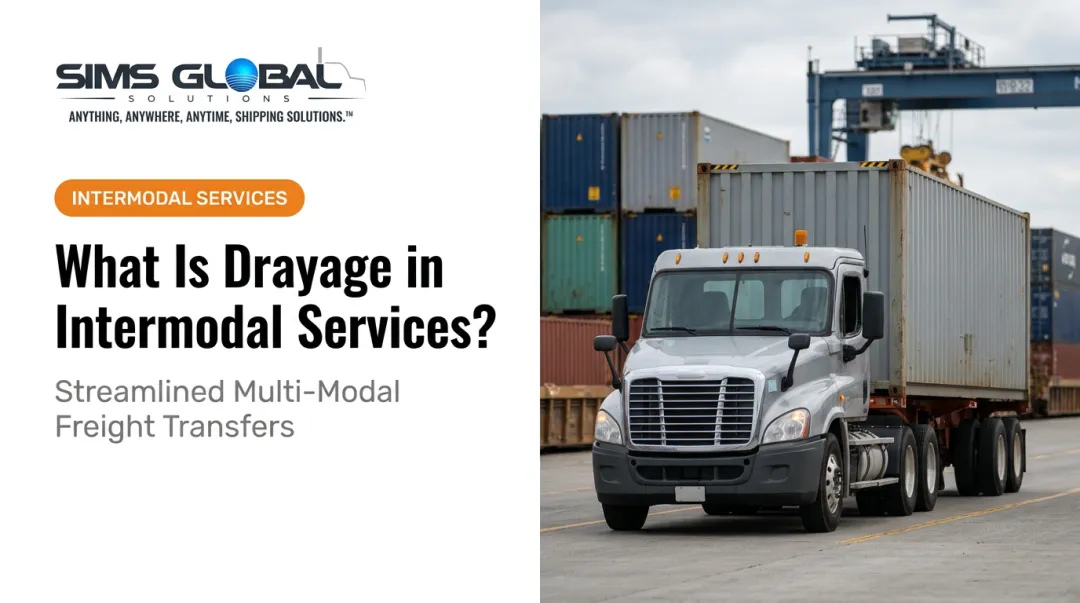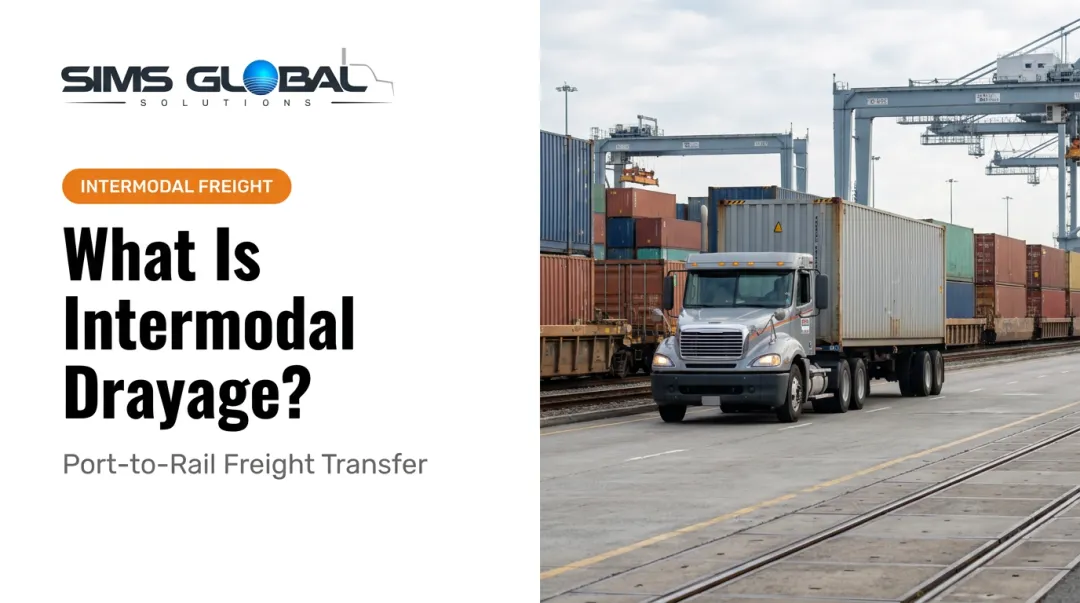

Drayage often gets treated as an afterthought next to ocean and long-haul trucking rates. That's a mistake. A 1993 Transportation Research Board analysis found drayage could account for as much as 40% of the total door-to-door rate on a typical 1,000-mile rail intermodal haul. That's old data and a different measurement than "landed cost," but it makes a point that still holds: this short, unglamorous leg of the journey carries outsized weight in your total transportation spend.
This guide breaks down what a drayage rate actually covers, the variables that move it, and a practical framework for budgeting and controlling it.
Key Takeaways
- A drayage rate is the base charge for a short-haul container move; fuel and accessorials add to it.
- Congestion, chassis shortages, and peak-season volume are the biggest sources of rate inflation.
- Budget a lane-specific base rate plus a buffer, not a flat national average.
- Detention and demurrage grow fastest and are hardest to predict, so give them their own line item.
- An experienced multi-modal logistics partner brings rate transparency and negotiated pricing.
What Is a Drayage Rate?
A drayage rate is the price charged for moving a container over a short distance, typically between a port, rail ramp, or terminal and a warehouse, distribution center, or final delivery point. It's the "last mile" (or first mile) of an intermodal shipment, and it's priced separately from the ocean or rail leg that got the container to the terminal.
Rate vs. Fee: Know the Difference
The terms "drayage rate" and "drayage fee" get used interchangeably, but they aren't quite the same thing:
- Drayage rate usually refers to the base line-haul charge: what it costs to move the box from Point A to Point B under standard conditions.
- Drayage fee (or total invoice) is that base rate plus every accessorial that applies: fuel surcharge, chassis rental, detention, tolls, and more.
A quote that only shows the base rate can look deceptively cheap. Always ask what's included before you compare providers.
How Rates Get Quoted
Most drayage providers price by container or by load. Some providers, particularly those handling partial or LTL-style moves, quote by hundredweight (CWT), rounding weight up to the next 100 lbs. This method is far less common for full container loads, so confirm which pricing structure applies before you build it into a budget.
Service Type Changes the Math
Rate structures shift depending on the type of drayage service:
- Port/pier drayage: direct container movement involving a port or terminal
- Intermodal drayage: transfer between different transport modes
- Shuttle drayage: short moves to temporary yard or storage space
- Expedited drayage: time-sensitive, direct movement
- Door-to-door drayage: full movement to the final receiving location
Understanding what's actually baked into a rate is the first step toward an accurate budget. A low quote that excludes common accessorials typically signals hidden costs down the road, not real savings.

Key Factors That Influence Drayage Rates
Drayage pricing isn't arbitrary, but it does move based on a handful of predictable variables.
Distance and Free-Zone Limits
Many carriers build a flat "free zone" into their pricing — a set distance covered by the base rate before per-mile charges kick in. One Miami-based carrier, for example, charges a flat rate for the first 25 miles and per-mile pricing beyond that. There's no universal industry standard here, so confirm the free-zone distance with your specific provider.
Container Size and Weight
Larger and heavier containers cost more to move. The federal Interstate weight ceiling sits at 80,000 lbs gross, but designated port programs allow more: the Port of Los Angeles overweight corridor permits up to 95,000 lbs with the right equipment and route. Overweight loads often require special permits, tri-axle chassis, or route restrictions, all of which add cost.
Port and Terminal Congestion
Congestion doesn't just slow down cargo, it drives up rates and detention risk. At the San Pedro Bay ports, rail-bound container dwell time climbed from 8.20 days in August 2024 to 9.25 days in September, well above the 6.54-day peak recorded in 2023. Longer dwell means more days of demurrage exposure and tighter equipment availability for everyone waiting behind you.
Seasonal Demand and Peak Surcharges
Pre-holiday import surges tighten capacity fast. C.H. Robinson reported that December 2024 import volume ran 30% above the prior year, with strong volume expected to continue through Lunar New Year. That pattern consistently squeezes chassis and driver availability during peak months.
Fuel Prices and Surcharges
Fuel surcharges are typically a percentage of the base rate, tied to a published diesel price index and updated on a regular cadence (often weekly). Because the index and charge base can vary by provider, get the specific formula in writing rather than assuming a flat percentage.
How to Calculate Drayage Costs
The basic formula is simple, even if the inputs vary:
Base rate + fuel surcharge + applicable accessorials = total drayage cost
Here's a worked example using round numbers for a single container move:
| Line Item | Amount |
|---|---|
| Base rate | $450 |
| Fuel surcharge (19%) | $85.50 |
| Chassis rental | $40 |
| Pre-pull fee | $150 |
| Total | $725.50 |
That's a 61% jump from the base rate to the total invoice, and that's before factoring in any detention or demurrage.
The Weight-Based Method
Some providers, especially for partial-container or LTL-style moves, price by hundredweight (CWT), rounding up to the next full hundred pounds. For example, a 22,000-lb shipment rounds to 220 CWT. At $3.50 per CWT, that's $770 before fuel and accessorials.
Rates vary widely by provider, port, and lane. A national average tells you almost nothing useful. Requesting an itemized quote for your specific move, not a ballpark figure, is the only reliable way to estimate cost. Sims Global Solutions itemizes every quote by line item, so you know exactly what you're paying for.

How to Budget for Drayage Rates: A Step-by-Step Approach
Budgeting for drayage means building a realistic range: a base rate plus a buffer for the variables that almost always show up on the final invoice.
Step 1: Research Baseline Rates for Your Specific Lanes
Pull recent invoices or request fresh quotes for your actual ports and routes. National averages hide local congestion, chassis availability, and fuel-index differences that can swing your real cost by a wide margin.
Step 2: Build In a Buffer for Accessorial Charges
Look at your historical accessorial spend and add that percentage to your base rate estimate. Chassis fees, tolls, and handling charges almost never stay off the final invoice, so budgeting them in from the start avoids surprises.
Step 3: Account for Seasonal and Peak-Period Surcharges
Build a separate contingency line for peak shipping months. Capacity tightens, equipment gets scarce, and rates climb during these windows. Plan for it rather than reacting to it.
Step 4: Partner With an Experienced 3PL for Rate Transparency
Working with an established logistics partner gives shippers access to negotiated carrier rates instead of one-off spot pricing. Sims Global Solutions offers drayage as part of its multi-modal capabilities alongside truckload, LTL, intermodal, and warehousing services, giving shippers a single point of visibility across each leg of the move.
Real-time tracking through a proprietary TMS like SimsTrak helps flag delays and accessorial risk before they blow up a budget.
Step 5: Set a Contingency Fund and Track Actuals vs. Budget Monthly
Reserve a contingency percentage of your total drayage budget specifically for detention, demurrage, or unplanned rush charges. Then review actual spend against budget every month — this is how you refine next quarter's estimate instead of guessing again.
Additional Costs to Factor Into Your Drayage Budget
Beyond the base rate and fuel, several accessorials show up on nearly every invoice:
- Chassis rental/split fees: published carrier rate sheets show standard chassis running roughly $40/day, with tri-axle chassis reaching $100/day; split fees often land in the $120-$200 range
- Detention: charged for extended use of trucking equipment beyond free time
- Demurrage: charged by the terminal once free time on the container expires; can escalate to several hundred dollars per container per day
- Overweight surcharges: driven by permit costs, extra-axle equipment, and route restrictions rather than a flat national rate
Detention and demurrage are the fastest-growing, least predictable drayage costs. Give them a dedicated budget line rather than folding them into your base rate estimate; lumping them together makes it nearly impossible to spot where overruns are coming from.
Don't overlook the smaller charges either. Tolls, drop fees (often $200-$400 per occurrence), and pre-pull fees (commonly around $150) can quietly inflate a budget if they aren't itemized upfront.
Tips to Control Drayage Costs and Stay on Budget
A few practical habits go a long way toward keeping drayage spend predictable:
- Consolidate shipments and optimize container utilization. Spreading fixed drayage costs across more freight per move lowers your per-unit cost.
- Schedule pickups and deliveries during off-peak hours and track free-time windows closely to avoid detention and demurrage entirely.
- Partner with an asset-based provider with a broad carrier network. Sims Global Solutions' 150,000-plus carrier network delivers competitive, transparent drayage pricing and closes the gap between quote and invoice.

Frequently Asked Questions
What is a drayage rate?
A drayage rate is the base charge for short-haul container movement between a port, rail ramp, or terminal and a warehouse or final destination. It's distinct from the full invoice, which stacks fuel and accessorial fees on top.
How do I calculate drayage cost?
Add the base rate, fuel surcharge, and applicable accessorials together for total cost. Some providers use per-container pricing, while others price by weight (CWT), so confirm the method before comparing quotes.
What is the difference between a drayage rate and a drayage fee?
"Rate" typically refers to the base line-haul charge alone. "Fee" or "total cost" refers to that base rate plus every accessorial (fuel, chassis, detention, tolls) stacked on top.
How much should I budget for drayage per container?
Budget your actual lane's base rate plus a buffer, often in the 15-30% range, for fuel, accessorials, and seasonal surcharges. A single flat number rarely holds up across real-world moves.
Why do drayage rates vary so much between ports?
Congestion levels, chassis availability, distance to free zones, and regional fuel or labor costs all shift rates from one port to the next. Two ports with similar volume can still post very different drayage costs.
Can I negotiate drayage rates with providers?
Yes, shippers with consistent volume, or a 3PL negotiating on their behalf, can often secure preferred pricing that beats one-off spot rates. Consistency and lane commitment are usually the deciding factors.