North American intermodal volume grew 8.5% in 2024, reaching over 18 million moves, according to a 2024 year-end intermodal summary from IANA. More shippers are testing intermodal, and many get tripped up by the difference between spot, contract, and project pricing. That confusion leads to budgeting surprises down the line.
This guide breaks down what actually makes up an intermodal rate, what pushes it up or down, how quoting works, and how it stacks up against truckload costs.
Key Takeaways
- Intermodal rates combine drayage, linehaul, and fuel surcharges — not one flat price
- Distance, fuel, seasonality, and equipment availability drive the biggest rate swings
- Longer hauls typically favor intermodal; shorter lanes often favor trucking
- Spot, contract, and project rates fit different volume and planning needs
- A multi-modal provider simplifies quoting and helps avoid hidden accessorial fees
What Are Intermodal Freight Rates? (Pricing Overview)
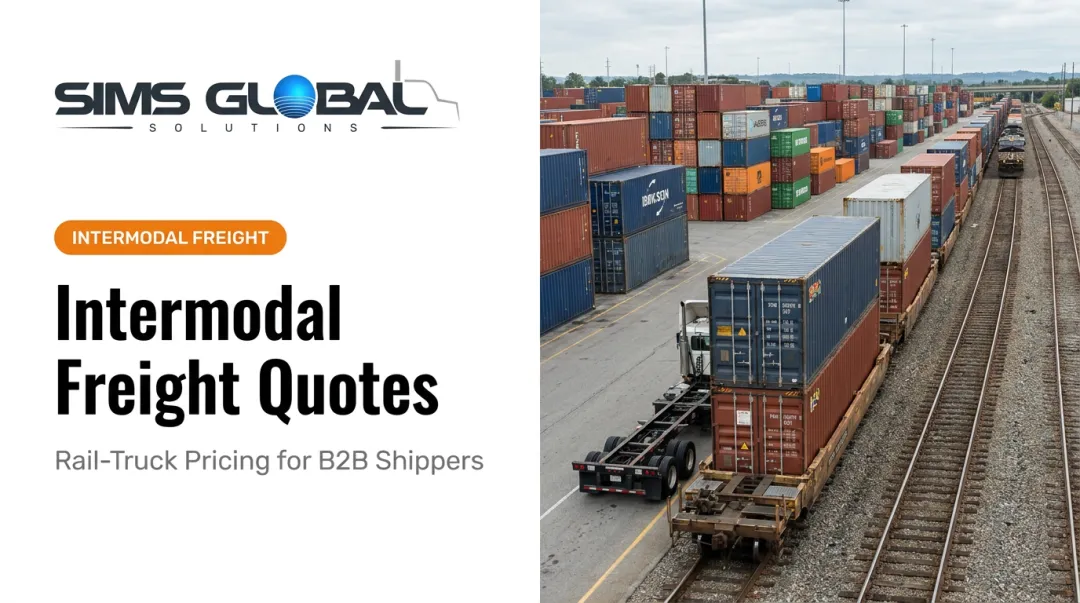
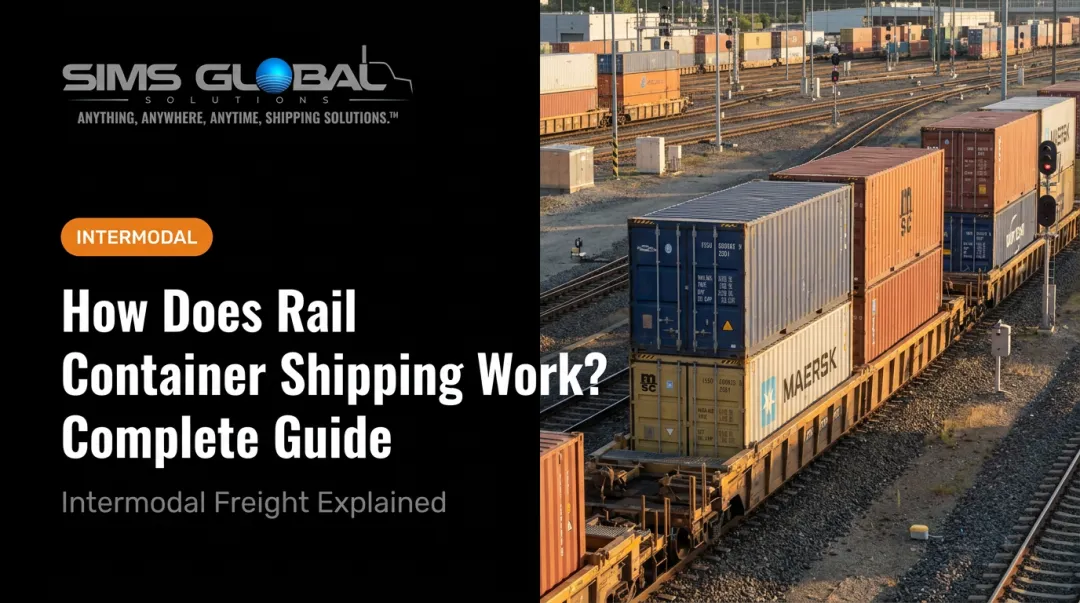
Intermodal freight rates cover the total cost of moving freight using a combination of rail and truck, with containers that never need repacking between modes. The container moves from the shipper's dock onto a chassis, rail picks it up at an intermodal ramp, and rides the network before a truck delivers it to the final destination.
That multi-step process is also why intermodal pricing isn't static. Unlike a retail price tag, intermodal rates fluctuate weekly or monthly based on lane demand, fuel prices, equipment type, and available capacity. A rate you got last quarter might not hold today.
Common pricing missteps to avoid:
- Assuming rates stay flat year-round when they actually shift with fuel and demand
- Ignoring fuel surcharge volatility, which can move independently of the base linehaul rate
- Comparing quotes side by side without confirming what's actually included
Intermodal pricing comes in three main structures, each suited to a different shipping pattern:
| Rate Type | How It Works | Best For |
|---|---|---|
| Spot Rate | Reflects current market conditions using an FAK (freight-all-kinds) structure; stays relatively stable week to week outside peak season | One-off shipments or testing intermodal on an unfamiliar lane |
| Contract Rate | Negotiated annually through an RFP or bid process with a railroad or intermodal provider; locked for the contract term | Shippers with consistent, recurring volume who need predictable monthly costs |
| Project Rate | A hybrid: fixed price tied to a defined short-term volume commitment, usually spanning weeks to a few months | One-time high-volume moves or testing whether a lane is worth converting to intermodal long-term |
Key Factors That Affect Intermodal Freight Rates
Intermodal pricing depends on more than raw distance. Network structure, equipment availability, and market conditions all play a role.
These factors typically carry the most weight:
- Distance & length of haul: Cost-per-mile efficiency improves on longer hauls, with intermodal typically beating OTR around 700 miles. Lanes under 400 miles usually favor trucking since drayage costs erode the savings.
- Fuel costs & surcharges: Rail fuel surcharges follow national diesel benchmarks tracked by the U.S. Energy Information Administration, but each railroad sets its own mileage-based or percent-of-revenue formula. That's why two quotes on the same lane can carry different fuel math.
- Seasonality & capacity: Peak season (around September through December, driven by West Coast import surges) tightens equipment and chassis availability. Spot rates often climb during this window, though the increase varies by lane and year.
- Equipment type & availability: Container-on-flatcar (COFC) versus trailer-on-flatcar (TOFC), container size, and chassis shortages can all limit options or add cost.
- Accessorial fees: Per diem, detention, and chassis splits show up more often in intermodal than in standard truckload moves. Confirm these upfront.
- Limited rail competition: Only six U.S. Class I railroads operate today, keeping rail pricing structures less competitive than the fragmented trucking market.

How Intermodal Rates Are Calculated & Quoted (Cost Breakdown)
A single intermodal rate is made up of several separate charges rather than one flat number. Here's how it breaks down:
| Component | Billing Type | What It Covers |
|---|---|---|
| Origin drayage | One-time per load | Local trucking from the shipper's dock to the rail ramp, priced via a point-to-point rate matrix plus fuel |
| Rail linehaul | One-time per load | The railroad's charge for moving the container between ramps — usually the largest cost component |
| Destination drayage | One-time per load | Final local trucking leg from the destination ramp to the customer's dock |
| Fuel surcharge | Recurring/variable | Calculated against diesel benchmarks, applied across both drayage and rail legs |
| Accessorials & per diem | Periodic | Container detention, chassis usage, or delays beyond free time allotments |
Rail linehaul pricing sits behind the railroad's own matrix, and you typically can't access it directly. You need to work through an asset-based or non-asset intermodal provider that already has those carrier relationships in place.
This is where a full-service 3PL earns its keep. Sims Global Solutions operates as a hybrid provider, combining its own specialized fleet with a network of 150,000-plus carriers. Its proprietary TMS, SimsTrak, consolidates quoting so you get:
- One rate covering drayage, rail, and fuel instead of three separate invoices
- Real-time visibility into where your shipment sits on that quote
- Fewer accessorial charges hiding in the fine print
Intermodal vs. Truckload: Which Costs Less?
Cost is usually the first question, but it's not the only one. Here's how the two modes stack up.
Domestic intermodal delivered nearly 26% savings on annual contracts and 16.7% savings in the spot market versus truckload during Q3 2023, according to DAT's dry van report on intermodal savings, based on 117 modally competitive U.S. lanes.
More recently, average contract savings ran 10% to 20% through 2024 and 2025, per FreightWaves' reporting on shifting truckload mileage patterns. Those averages don't hold on every lane, though.
Where OTR trucking still wins:
- Hauls under roughly 400 miles, where drayage costs eat into intermodal's savings
- Time-sensitive freight with tight delivery windows
- Lanes without convenient rail ramp access on either end
Trade-offs beyond price:
- Intermodal transit typically runs a bit longer than a direct truck move, often adding a day or more depending on interline transfers
- Capacity tends to be more reliable on intermodal during truck-tight markets
- Security exposure differs by mode — rail yards and transfer facilities carry their own theft risks, so neither mode is automatically safer
How to Get the Best Intermodal Freight Rate
Getting a competitive rate takes more than accepting the first quote that lands in your inbox.
- Request quotes from multiple providers. Pricing and lane coverage vary widely between asset-based carriers and non-asset intermediaries. Don't assume one quote reflects the market.
- Match the pricing type to your shipping pattern. Use contract rates for steady volume, spot rates for occasional loads, and project rates for short-term surges or lane testing.
- Confirm exactly what's included. Drayage, fuel, and per diem allowances should be spelled out before you sign. Undisclosed accessorials are one of the most common budget-busters in intermodal.
- Compare across modes, not just intermodal providers. A lane that looks good on intermodal might actually cost less on LTL or truckload once accessorials are factored in.

A multi-modal partner like Sims Global Solutions can run that comparison for you, benchmarking intermodal against truckload and LTL options on the same lane. The goal is the true lowest-total-cost option, not just the lowest sticker price.
Frequently Asked Questions
What are intermodal freight rates?
Intermodal freight rates are the combined cost of origin drayage, rail linehaul, destination drayage, and fuel surcharges required to move freight using both rail and truck. They're quoted as one bundled number, even though several components make it up.
How do you quote an intermodal load?
Shippers submit load details or an RFP to an intermodal provider, who combines drayage pricing with rail matrix rates into a single quote. Providers with existing rail relationships, like Sims Global Solutions, typically deliver quotes faster than trying to negotiate each leg separately.
What are current intermodal freight rates?
Rates fluctuate weekly based on fuel prices, lane demand, and equipment availability. Check with your provider or a current intermodal index for the most up-to-date per-mile figures on your specific lane.
Is intermodal freight cheaper than trucking?
Generally, yes, especially on hauls over roughly 700 miles where rail fuel efficiency creates real savings. On shorter or time-sensitive lanes, over-the-road (OTR) trucking often wins on total cost and speed.
What is a good intermodal rate per mile?
"Good" depends heavily on lane, season, and current fuel costs, so there's no single universal benchmark. Compare your quote against current market data for similar lane length and equipment type.
Do intermodal rates include fuel surcharges?
Fuel surcharges are usually a separate, variable line item layered on top of drayage and linehaul charges. They're tied to national diesel benchmarks, but each carrier applies its own formula, so always ask how it's calculated.