Getting it wrong is expensive. Misalignment causes premature bearing wear. Skipped lockout/tagout steps lead to injuries. Rushed commissioning voids warranties and stalls production before it ever starts.
Realistically, a proper install involves OEM technicians, certified riggers or millwrights, electricians, a project manager, and, for anything oversized or heavy, a specialized logistics provider to get the equipment there in one piece.
This guide walks through the full process: pre-planning and logistics, site prep, positioning, system integration, and the validation steps that confirm a machine is actually ready for production.
Key Takeaways
- Installation timelines range from days for compact units to months for full production lines
- Success depends on coordinated planning across site readiness, logistics, and integration
- Rushed logistics and skipped validation cause most installation failures
- Follow this order: prepare, deliver, position, integrate, test. Skipping steps causes rework
Installation Guide for Industrial Machinery and Equipment
Every industrial installation follows the same broad arc: pre-planning and logistics coordination, site preparation, positioning and rigging, mechanical and electrical integration, then testing and validation.
How long that arc takes varies widely. A single CNC machine might take a few days from delivery to first cut. A production line with multiple integrated systems can take months, involving millwrights, electricians, controls engineers, and riggers working in sequence rather than all at once.
The sections below break down what's required at each stage, starting with the prerequisites that determine whether a site is even ready to receive equipment.
Prerequisites and Safety Considerations
Before any equipment shows up on-site, several conditions need to be locked down. Skipping this stage is one of the biggest drivers of installation delays.
Site and structural readiness
OSHA's walking-working surface rule requires every surface to support its maximum intended load, but it doesn't specify what that load is for your machine. That verification falls on you. Confirm before delivery:
- Floor and foundation load capacity, checked against OEM data sheets and, for dynamic equipment like rotating or reciprocating machinery, an engineer-of-record foundation design
- Clearances for access paths, doorways, and turning radius for cranes or forklifts
- Utility availability, including power, compressed air, and water, matched to the equipment's actual draw
Delivery logistics: the underestimated prerequisite
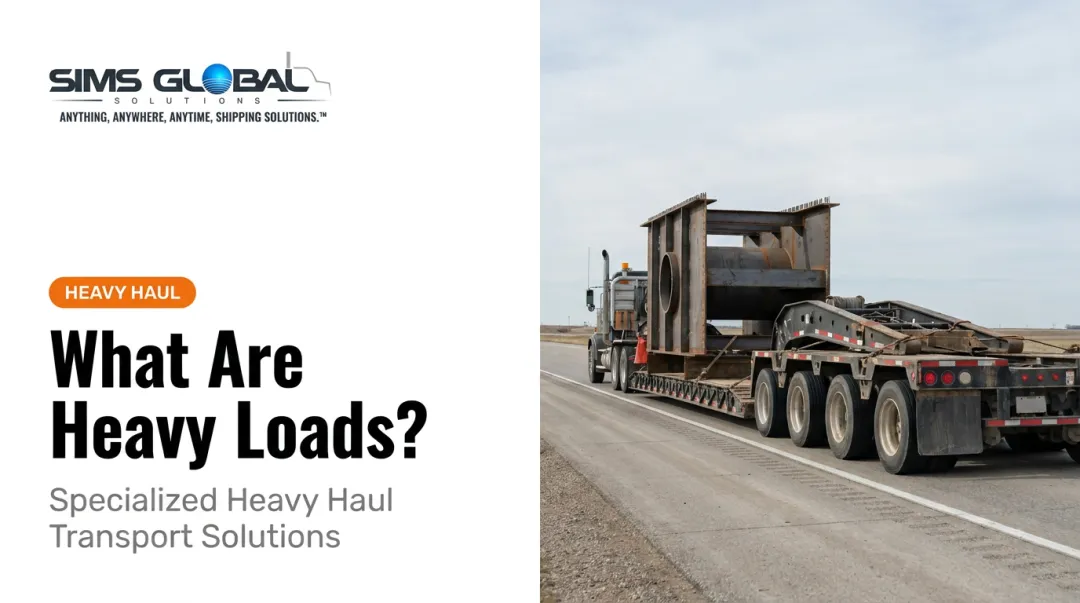
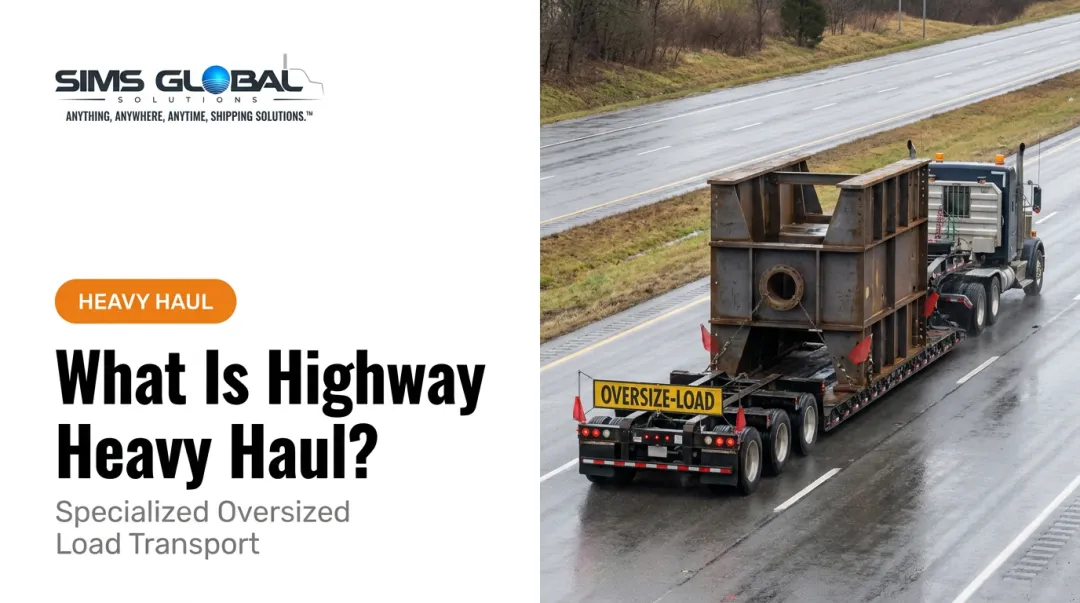
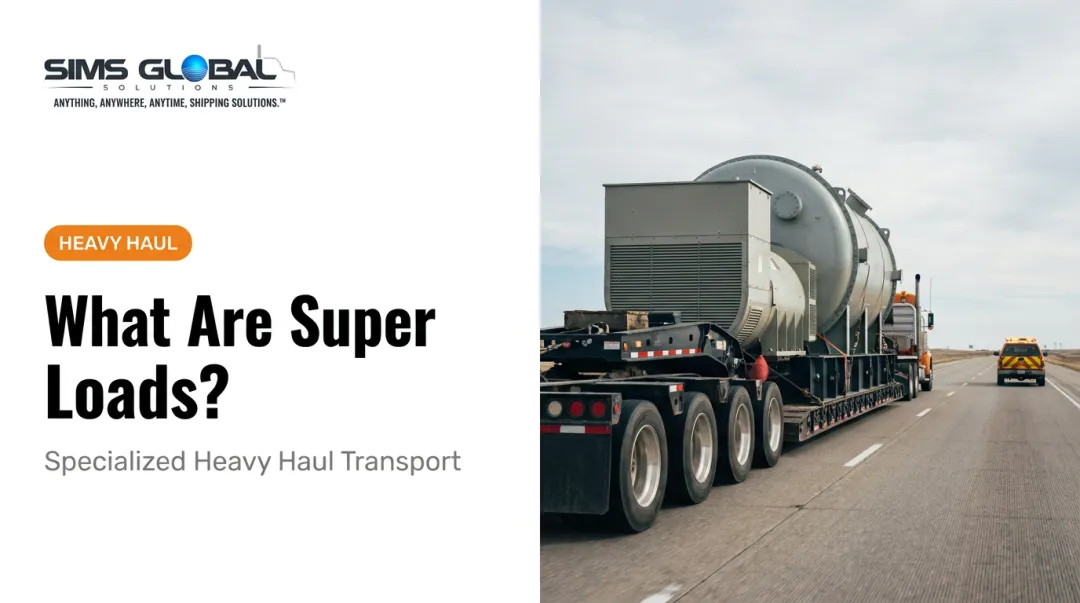
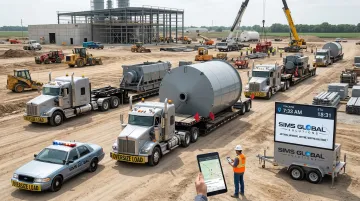
Getting a multi-ton machine to the site is its own project. Heavy-haul trucking for oversized or overweight loads requires state-specific permits. The federal government doesn't issue these permits directly; requirements vary by state and can include a physical route survey before approval.
Miss a permit window or book a carrier unfamiliar with oversized freight, and the whole installation schedule slides. This is where an experienced heavy-haul logistics partner earns its keep.
Sims Global Solutions, for example, runs its own heavy-haul fleet, including RGN, lowboy, and multi-axle trailers, alongside a brokerage network of 150,000+ vetted carriers for jobs that need extra capacity. Real-time tracking through its SimsTrak TMS gives installation crews visibility into where equipment actually is, so they aren't standing around waiting on a truck stuck at a weigh station.
Compatibility and compliance
- Verify machine specs against existing electrical, pneumatic, and hydraulic systems and any production-line integration points
- Confirm compliance with applicable OSHA, ANSI, and API standards for the equipment type
- Draft and sign off on a lifting plan before any heavy rigging work begins
Non-negotiables before installation starts:
- Confirmed floor and foundation load capacity
- Verified utility hookups matching OEM specs
- A documented, signed-off safety and lifting plan
If any of these three are missing, installation shouldn't proceed.
Tools and Parts Required
The right tools need to be on-site before the crew is, not ordered the morning of delivery.
| Task | Equipment | Typically arranged by |
|---|---|---|
| Lifting and positioning | Cranes, hoists, rated forklifts, jacks | Contractor/rigger |
| Load control | Spreader beams, slings, below-the-hook devices | Rigging contractor |
| Shaft alignment | Laser alignment systems | Millwright/OEM tech |
| Leveling | Precision levels, machinist shims, adjustable chocks | Contractor |
| Fastening | Calibrated torque wrenches (manual or hydraulic) | Contractor |
For heavier machinery, jacking and skating systems or rated forklifts often become necessary, and these need to be reserved well in advance. Specialized rigging equipment isn't something you find on short notice, especially in markets with limited crane availability.
Also inspect rigging gear before each shift; it's required under OSHA's rigging equipment standard, and defective slings or hooks remain a common, preventable cause of dropped-load incidents.
One more planning note: confirm with your OEM whether alignment tolerances call for a specific alignment grade. Grades range from minimal to excellent depending on shaft speed, coupling type, and operating temperature. There's no single generic number that applies to every machine.
How to Install Industrial Machinery (Step-by-Step)
Installation follows a defined sequence for a reason. Skip a step or reorder it, and you'll likely end up redoing alignment work or finding a wiring problem after the machine is already bolted down.
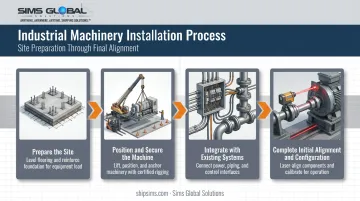
Prepare the site. Finish floor and foundation work, including any grout curing time specified by the engineer of record. Clear access paths for cranes, forklifts, or skating equipment, and set up temporary power and lighting if permanent connections aren't finished.
Position and secure the machine. Rig and lift it using the approved lift plan and inspected gear. Set it on shims or leveling screws at the datum points from the OEM drawings, then anchor it following the specified bolt pattern, without fully torquing until leveling is confirmed.
Integrate with existing systems. Connect mechanical, electrical, and hydraulic or pneumatic lines per OEM documentation, covering pipe strain, bonding, grounding, and safety interlocks. Recheck level and alignment after each connection, since tightening a single line can shift the machine enough to throw off a reading that looked perfect minutes earlier.
Complete initial alignment and configuration. Use laser alignment tools to verify level, twist, and squareness against datum lines before final torquing. Factor in expected thermal growth. A machine aligned cold can drift out of tolerance once it heats up during operation.
Only torque fasteners to final spec once alignment readings fall within the target grade. Torquing first and aligning after is one of the most common installation mistakes.
Post-Installation Checks and Validation
A machine that's bolted down and wired up isn't ready for production yet. Validation is the step most likely to get compressed when a schedule slips, and it's the one that causes the most expensive problems later.
Visual and structural checks
- Confirm anchoring matches the specified bolt pattern and torque values
- Verify alignment readings sit within the target tolerance grade
- Check that guards and interlocks are correctly fitted and functional, not just physically present
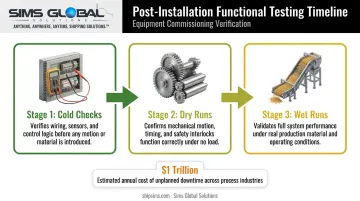
Functional testing in three stages
- Cold checks: Verify I/O points, safety circuit continuity, insulation resistance, phase rotation, and lockout isolation before any energization under load.
- Dry runs: Jog at reduced speed first, then rated speed, watching for vibration, unusual noise, and correct travel limits, with no product or process material yet.
- Wet runs: Introduce actual production material incrementally to confirm cycle time, output quality, and repeatability against your commissioning plan's acceptance criteria.
Each stage needs documented pass/fail criteria, not a gut check from whoever's standing closest to the control panel.
Why this stage can't be rushed
Process-industry downtime runs into serious money. ARC Advisory Group estimated unplanned downtime at roughly $1 trillion annually across process industries. That figure reflects operational risk broadly rather than commissioning failures specifically, but the underlying point holds: problems that surface after ramp-up cost far more than problems caught during a dry run.
A machine that passes cold checks but skips wet-run validation might run fine for a week before a control fault, or an alignment issue masked by low load, finally shows up. Usually during a production shift, not a maintenance window. Closing out every item on the commissioning checklist before ramping to full production is the cheapest insurance available at this stage.
Common Installation Problems and Fixes
Even with careful planning, a handful of problems show up again and again. Here's how to spot them early and fix them before they turn into bigger repairs.
Issue 1: Misalignment After Installation
The problem: The machine vibrates more than expected shortly after startup, or shows uneven wear on bearings and couplings within the first few weeks.
The likely cause: Improper leveling or shimming during positioning, a soft foot condition, or a laser alignment step that got rushed to hit a deadline. Thermal growth once the machine reaches operating temperature can also shift shaft centerlines that looked fine when cold.
The fix: Schedule a laser alignment verification before resuming full production. Check each foot individually for soft foot, correct any pipe strain, and re-torque fasteners to spec once alignment is confirmed within tolerance.
Issue 2: Delivery Delays or Transit Damage
The problem: Equipment arrives late, damaged, or at the wrong dock, and the entire installation schedule stalls while everyone waits.
The likely cause: Uncoordinated logistics, a carrier without experience handling oversized freight, or missing permits for an abnormal load. Permit requirements vary from state to state, and a missed route survey can hold up a shipment for days.
The fix: Work with a heavy-haul freight partner that specializes in industrial equipment transport. Sims Global Solutions, for instance, handles the permitting, secures loads with the right trailer configuration (RGN, lowboy, multi-axle, or double drop), and tracks shipments in real time through SimsTrak. Installation crews can then plan around a confirmed arrival window instead of guessing.
Issue 3: Electrical and Control Integration Failures
The problem: The machine powers on, but control signals, sensors, or safety interlocks don't behave correctly.
The likely cause: Incomplete continuity or insulation resistance testing, or wiring errors made during panel connections that weren't caught before first energization.
The fix: Run a full electrical prove-out, covering continuity, insulation resistance, and e-stop testing, before the machine is ever energized. Keep a punch list open and close items daily throughout commissioning rather than letting them pile up for one end-of-project push.
Pro Tips for Installing Industrial Machinery Effectively
A few habits separate installations that go smoothly from ones that turn into extended troubleshooting sessions.
- Build from the base up. Complete structural work first, then mechanical, electrical, and guarding — wiring a control panel before leveling the base almost always means redoing work later.
- Lock in delivery logistics early. Schedule heavy-haul transportation and permitting well before the crew arrives, not the week of. A partner experienced in oversized freight, such as Sims Global Solutions' heavy-haul trucking network, cuts the risk of a truck stuck waiting on a permit or a carrier that isn't equipped for the load.
- Document everything, and know when to call a specialist. Keep a signed-off checklist of alignment readings, torque values, and test results. It matters for warranty claims and compliance audits alike. Bring in a certified rigging or millwright specialist for anything heavy, highly regulated, or mechanically complex.
Conclusion
Installation quality shapes everything that follows: how well the machine performs, how safely it operates, and how much it costs to maintain over its lifecycle. A misaligned bearing or a rushed commissioning checklist doesn't just cause a one-time headache. It compounds into premature wear and unplanned downtime, and it can void your equipment warranty entirely.
None of this requires guesswork. It comes down to a few fundamentals:
- Confirm site readiness before delivery arrives
- Lock in logistics and permitting early, so delays don't stall the project
- Follow the installation sequence in order, step by step
- Validate performance thoroughly before ramping to full production
Sims Global Solutions coordinates heavy haul delivery, staging, and warehousing timelines so equipment arrives exactly when your crew is ready for it.
Get those pieces right, and the equipment performs reliably for years well beyond the initial test run.
Frequently Asked Questions
What is the meaning of machinery installation?
Machinery installation is the process of positioning, connecting, and configuring industrial equipment at its operating site so it runs safely and as intended. It covers rigging, anchoring, electrical integration, and final validation.
What are the four types of installation?
Common categories include new installation, relocation or reinstallation of existing equipment, retrofit or upgrade installation, and turnkey or OEM-supervised installation. Each involves different levels of site prep and OEM involvement.
Why is proper machinery installation important?
Correct installation directly affects performance, safety, and warranty validity. Skipping steps like alignment or electrical prove-out often causes unplanned downtime and disputes over OEM warranty claims.
Who is responsible for machinery installation?
Installation typically involves OEM technicians, certified riggers or millwrights, electricians, and a project manager. Larger or oversized equipment often adds a specialized logistics provider, such as Sims Global Solutions, to the team for heavy-haul transport and site coordination.
How long does industrial machinery installation typically take?
Timelines range from a few days for compact, standalone equipment to several months for complex production lines. Delivery and permitting logistics are frequently the biggest variable affecting the schedule.
What happens if machinery is installed incorrectly?
Incorrect installation can cause premature wear, safety incidents, and voided OEM warranties. It also tends to surface as unplanned downtime later, once the machine is already running production.